 English
 RSS
RSS
The Ministry of Industry and Trade has proposed rooftop solar power systems to be allowed to sell up to 50 percent of surplus electricity to the national grid at market prices, from the current cap of 20 percent.
The proposal is highlighted in the third draft amendments to Decree 57 on direct power purchase agreements and Decree 58 on renewable and new energy development, both recently submitted to the Ministry of Justice for review.
Self-consumption rooftop solar systems would be permitted to export surplus electricity to the national grid, capped at 50 percent of the total output.
This is the first time a specific ceiling has been specified into a decree. Currently, the surplus sales were loosely guided by technical instructions or applied unevenly in different localities.
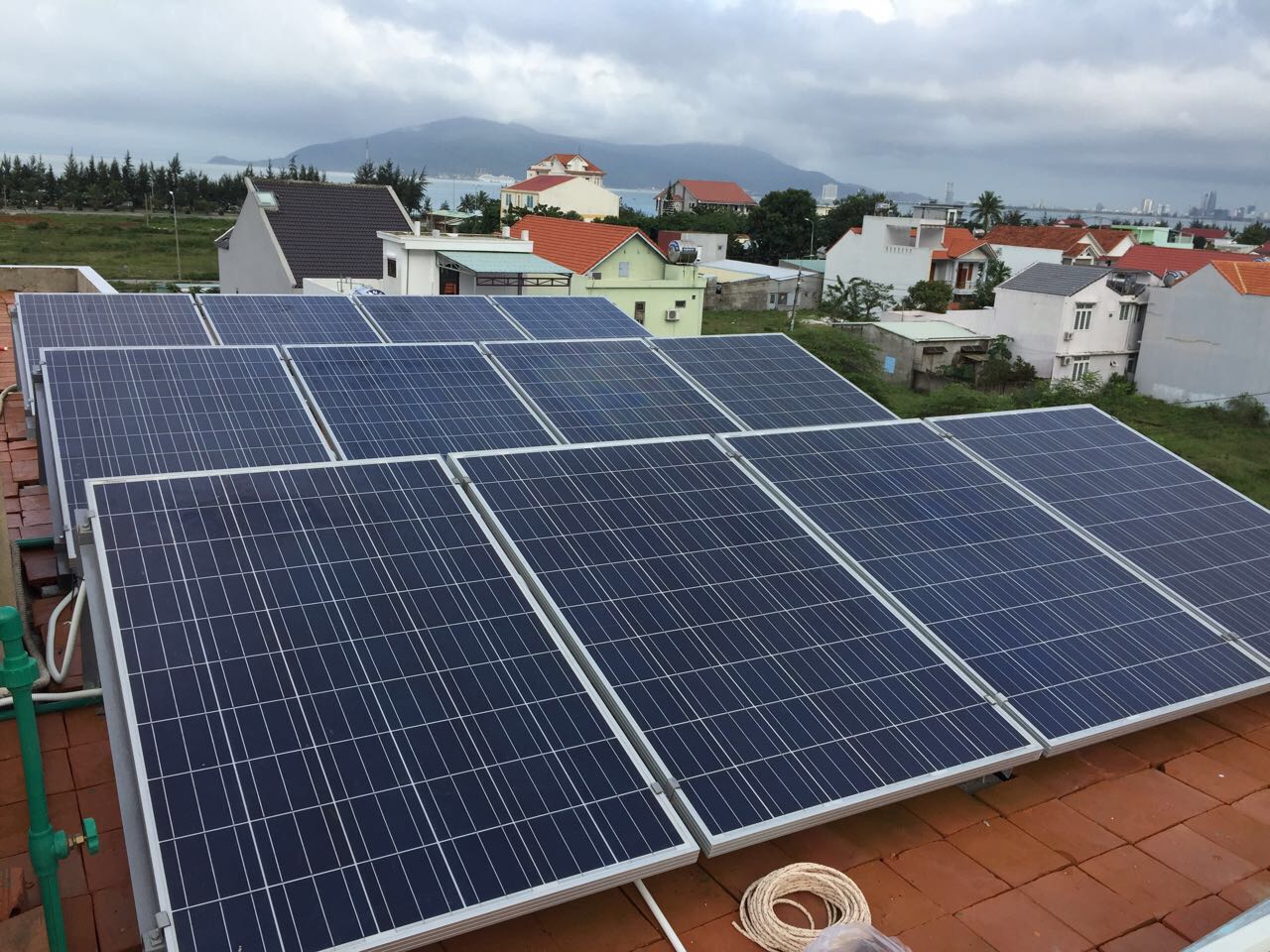
The ministry said increasing the cap of surplus electricity sale from 20 percent to 50 percent aimed to encourage the development of rooftop solar power through 2030, in line with the national power development plan.
The draft also sets the purchase price for surplus electricity at the average electricity market price of the previous year, as published by the market operator, but not exceeding the price ceiling for comparable ground-mounted solar power.
This aims to prevent a return to fixed feed-in tariffs while still giving households and businesses a clearer basis to assess investment returns.
In addition, procedures for installing rooftop solar systems are proposed to be simplified.
Individuals and organizations would only need to notify local authorities, rather than asking for permission.
In mountainous, border and island areas where the national grid is weak or not yet connected, the rooftop solar systems could be allowed to sell all the surplus electricity to encourage on-site power generation and ensue energy security.
The draft also opens doors for rooftop solar installation and surplus electricity sales for public assets such as government offices, schools and hospitals.
With regard to direct power purchase agreements, the draft also broadens participation, allowing electricity retailers in industrial parks, economic zones and export processing zones to join, rather than limiting participation to power producers and large consumers.
The ministry said the amendments aim to provide a clearer legal framework for rooftop solar and new power trading models.
- (VNS/VLLF)