 English
 RSS
RSS
The Government has recently adopted several mechanisms and policies to promote the development of solar power systems installed on roofs of people’s houses, public offices, industrial parks, cottage industry zones, export processing zones, hi-tech parks, economic zones, and production and trade facilities, provided they are legally built.
As per Decree 135 issued on October 22, individuals and organizations installing self-produced and self-consumed rooftop solar power systems will be exempt from obtaining electricity operation licenses and subject to no limitation on installation power output provided they are not connected to the national power grid and have zero export devices installed. Those developing rooftop solar power systems with an output of under 100 kW are also entitled to exemption of electricity operation licenses.
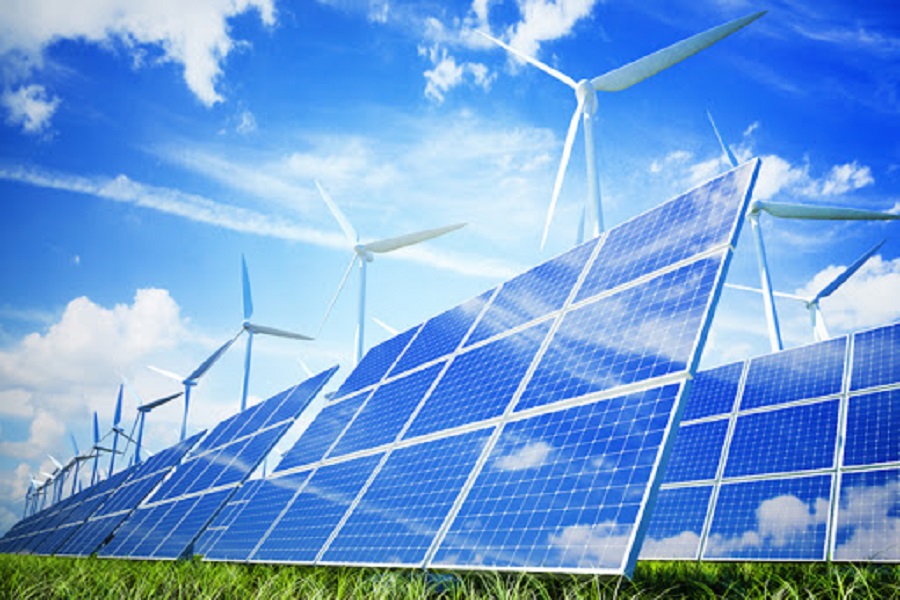
As for trading of surplus electricity output to the national power grid, owners of rooftop solar power systems with an installation output of 1,000 kW or more that wish to sell the unused output to the national power grid are required to carry out procedures for applying for electricity operation licenses in conformity with power development plans.
It is also stipulated that self-produced and self-consumed rooftop solar power systems connected to the national power grid with power outputs compliant with power development plans, and of households and individual houses with an output of under 100 kW, if not used up, may be sold to the national power grid not exceeding 20 percent of their actual installation output.
The Vietnam Electricity Group will pay organizations and individuals for surplus electricity outputs sold to the national power grid.
Purchase prices of surplus electricity outputs will be equal to the average power market price in the previous year announced by the power system and electricity market operators in order to ensure the provision of appropriate incentives suitable to each development period of the national power grid.
Under the Decree, self-produced and self-consumed solar power systems installed on roofs of public offices and construction structures classified as public assets are not eligible for trading of surplus electricity outputs.
Organizations and individuals may install battery energy storage systems (BESS) to ensure safe and stable operation of their solar power systems.
By: VLLF