English
 RSS

Passed on June 25 and taking effect on July 1, the Law amending a number of articles of eights laws concerning bidding; investment in the form of public-private partnership; customs; value-added tax; import duty and export duty; investment; public investment; and management and use of public property, is expected to enhance transparency and efficiency in related fields.
Expanding autonomy of project owners concerning contractor selection forms
Under the Law, revisions to the Bidding Law permit state enterprises and public non-business units to decide on contractor selection activities not using state budget funds while having to ensure openness, transparency, efficiency and accountability.
At the same time, public non-business units that can cover recurrent expenditures and investment expenses and public non-business units that can cover recurrent expenditures are also allowed to decide on procurement activities not funded by the state budget. This provision ensures consistency with the authority to decide on standards and norms for public property of these units and encouraging them to increase their financial autonomy.
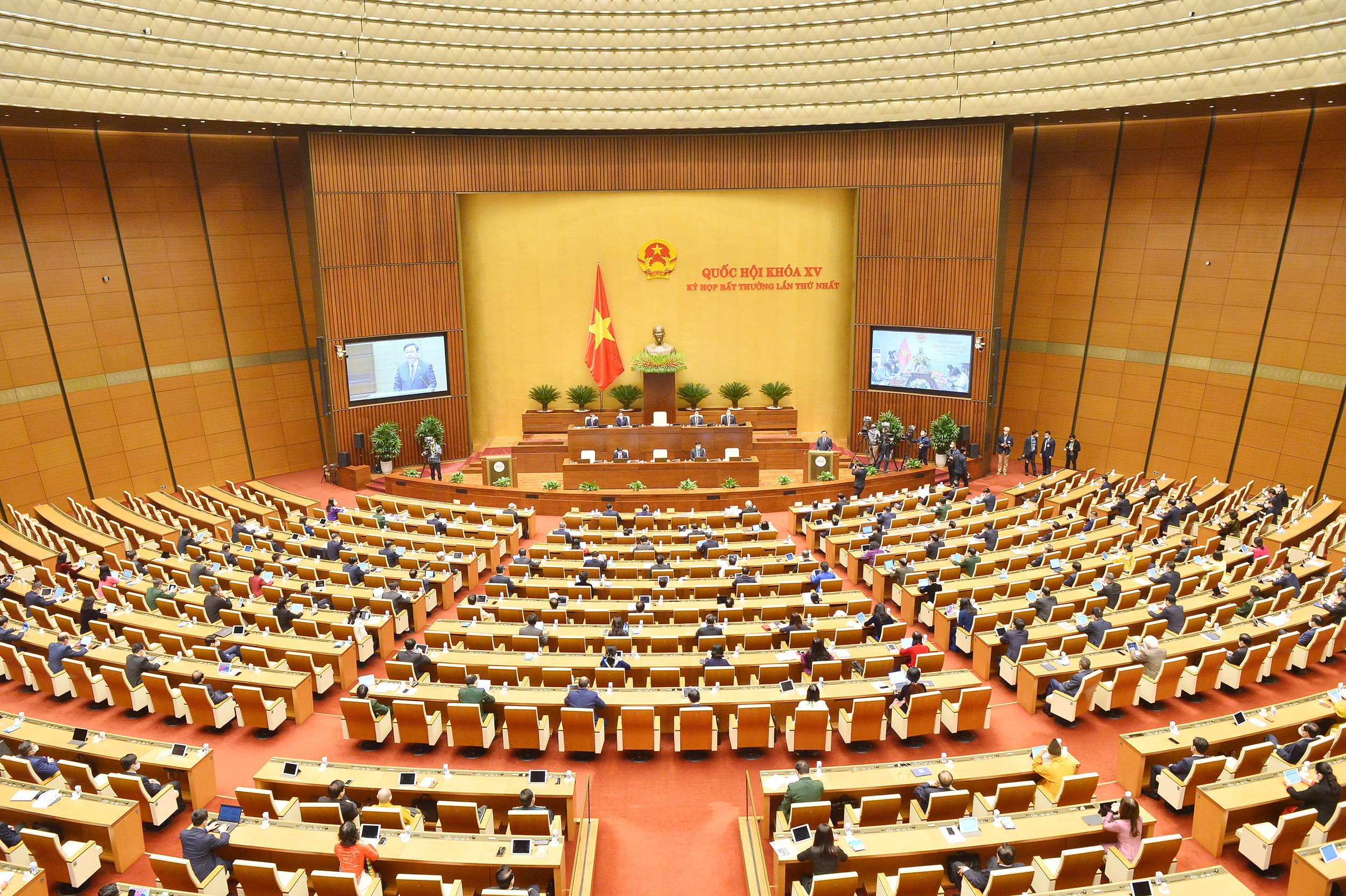
The Law also introduces new provisions on the mechanism for payment from the health insurance fund for healthcare establishments being public non-business units that can cover recurrent expenditures and investment expenses and public non-business units that can cover recurrent expenditures similarly to private medical examination and treatment establishments.
It also empowers project owners to apply contractor selection forms according to fast-track procedures. Project owners may also choose other forms suitable to the scale and nature of the bidding packages.
The Law adds more cases eligible for contractor appointment, and contractor selection in special cases, restricted bidding and order placement.
Enhancing decentralization for investment policy approval
The Law also permits decentralization of competence to approve investment policy.
With amendments to the Law on Investment, the Prime Minister may decentralize the competence to approve investment policy to provincial-level People's Committees for seven groups of investment projects. Additional provisions are also introduced to intensify investment monitoring, evaluation and inspection.
Regarding public investment activities, the Law specifies the Government’s competence to adjust the central budget-funded annual public investment plan in case it does not exceed the country’s total central budget expenditure decided by the National Assembly. It also decentralizes the authority to adjust annual plans from People's Councils to People's Committees to ensure the consistency with the law on the state budget.
By VLLF