 English
 RSS
RSS
A regulatory sandbox for development of circular economy would be soon adopted for application in four potential fields, namely agriculture, forestry and aquaculture; industry; energy; and construction materials.
The sandbox, introduced under a draft decree formulated by the Ministry of Planning and Investment (MPI), includes six groups of policies concerning green classification; industrial parks and economic zones; technology consultancy and technology transfer; green credit and green bond; land; and human resource development.
Circular economy projects would be classified into two categories: fully green projects and partially green projects. Fully green projects are zero-emission circular economy projects under which all products, scraps and wastes of the primary production and processing stage are recycled or reused as input materials for the next stage of production and processing and refrain from releasing greenhouse gas emissions. Meanwhile, circular economy projects with the emission rate lower than the emission reduction rate are called partially green projects. The classification of circular economy projects would be conducted by either conformity assessment bodies or state agencies, depending on the final choice of the Government.
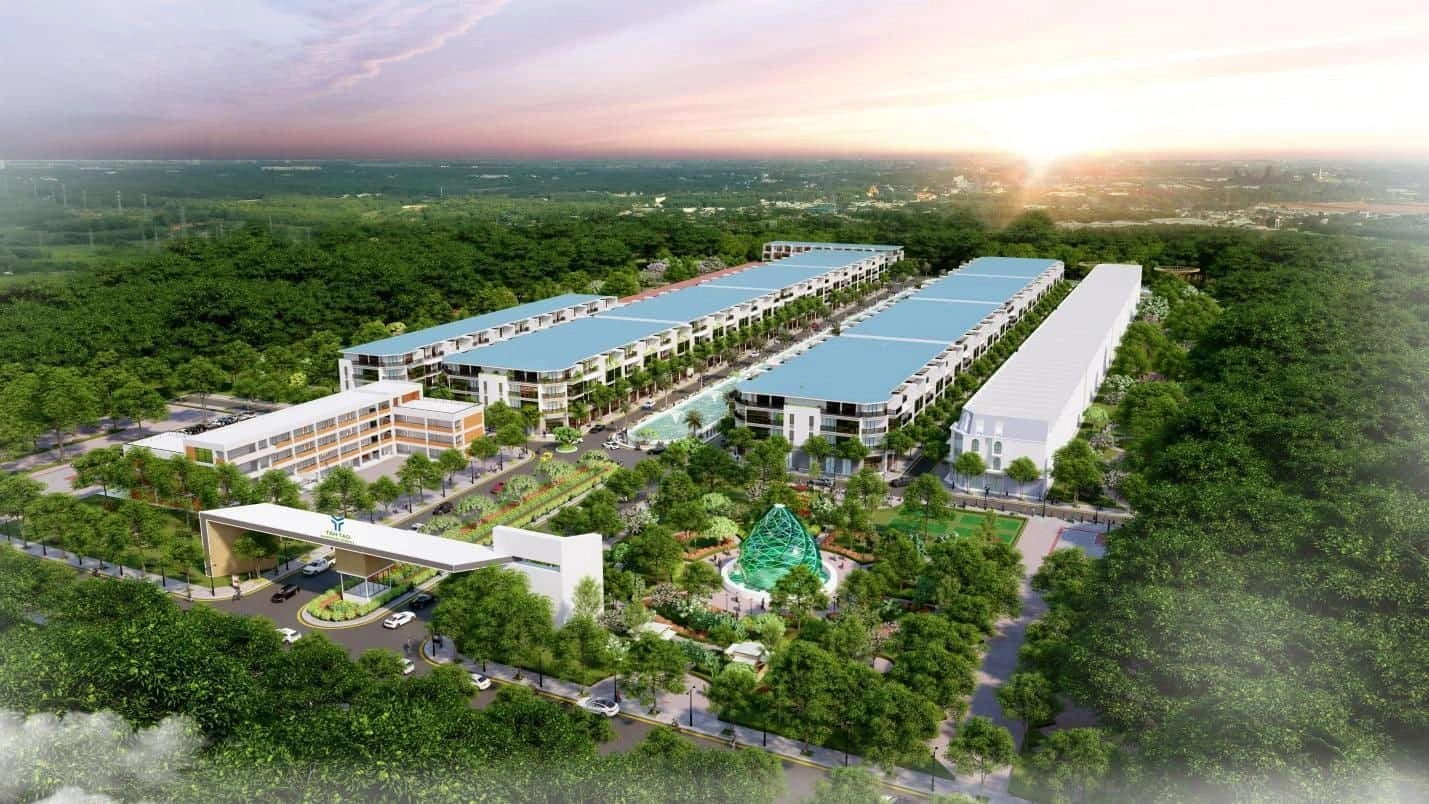
Circular economy projects that earn at least half of their revenues from their industry, energy and service components may be implemented in industrial parks and economic zones and would be entitled to investment incentives under regulations on industrial parks and economic zones. Their foreign and overseas Vietnamese employees and family members would be granted multiple-entry visas and temporary or permanent residence permits in accordance with law.
The State and local administrations would provide technology recommendation and consultancy to circular economy projects. These projects would also be entitled to a financial support equaling half of the expenses for hiring technology consultants. Projects involving technology transfer would be exempt from import duty and given with priority in customs clearance. Meanwhile, businesses that hire or purchase digital transformation solutions to implement circular economy projects would receive a support of up to 50 percent of expenses therefor.
Circular economy projects would be allowed to borrow soft loans and loans without government guarantee from the sources of green credit provided by credit institutions, international finance organizations, the Vietnam Development Bank and assorted environmental funds. In addition, they might coordinate with qualified units and local development investment funds to issue green bonds and work with domestic and international partners to develop on a trial basis green bond and voluntary carbon credit exchanges.
In terms of land-related policies, under the sandbox, local administrations would require allocating “clear” land to circular economy projects. In case project owners pay ground clearance expenses in advance, local administrations would take charge of ground clearance work.
To be qualified for the application of the regulatory sandbox, an enterprise must (i) be a legal entity established and legally operating in Vietnam and not being currently involved in the process of division, separation, consolidation, merger, transformation, dissolution or bankruptcy; (ii) have financial capacity or a clear and feasible financial access plan; not owe any bad debts or commit serious violations of tax or information disclosure regulations; and (iii) have formulated or proposed a specific circular economy project.
At the same time, the circular economy project under consideration would have to (i) make a plan feasible and potential for promoting positive economic, social and environmental impact (ii) mainly use domestic input materials, and (iii) be implemented on the basis of Industry 4.0 technologies and have a clear and feasible plan on transfer, mastery and development of technology in Vietnam in case of importing and using foreign technologies.
The duration of participation in the regulatory sandbox would be five years, counted from the date of issuance of a certificate of participation, and might be extended once for another five years.
By: VLLF