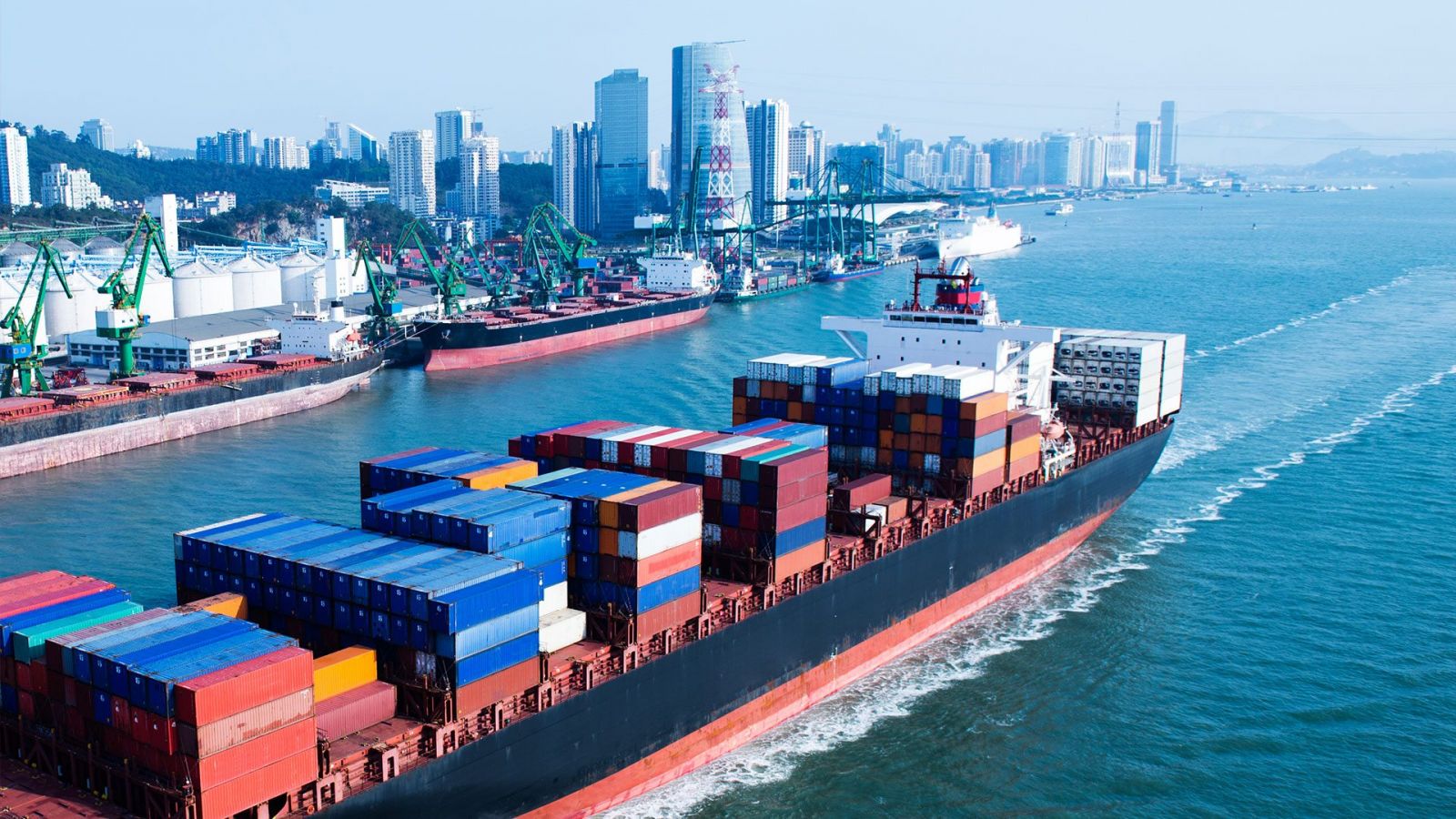
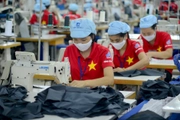
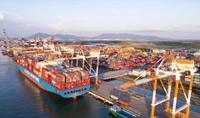
Vietnam's logistics sector has been growing at an impressive rate, with the government actively encouraging foreign investment. As of 2024, the sector contributes significantly to the country's GDP, with projections indicating continued growth. Foreign logistics providers play a crucial role in this expansion, bringing expertise, technology, and international best practices to the local market.
Vietnam has been modernizing its customs procedures, with a focus on digitalization. The key steps in the customs clearance process include (According to Article 21 of Law on Customs):
Registration of the customs declaration via the e-customs system
Submission of supporting documents
Customs valuation and classification
Physical inspection (if required)
Payment of duties and taxes
Release of goods
2.3 Prohibited and Restricted Goods
Vietnam maintains a list of prohibited and restricted goods for import. Logistics providers must be aware of these restrictions to avoid legal issues. Some examples include (According to Circular 173/2018/TT-BQP:
Prohibited: Weapons, narcotics, certain chemicals, culturally inappropriate media
Restricted: Pharmaceuticals, used electronics, certain food products
3. Export Regulations
3.1 Export Licensing and Documentation
For exports, the following is typically required (According to Article 24.1 of Law on Customs):
The export process generally involves fewer restrictions compared to imports, but certain goods may require special permits or licenses.
3.2 Special Economic Zones and Export Processing Zones
Vietnam has established several Special Economic Zones (SEZs) and Export Processing Zones (EPZs) to promote trade and investment. These zones offer various incentives for logistics providers, including:
Tax exemptions or reductions
Simplified customs procedures
Improved infrastructure
Logistics providers operating in these zones should be aware of the specific regulations and benefits applicable to their operations.
4. Customs Duties and Taxes
4.1 Tariff Classification System
Vietnam uses the ASEAN Harmonized Tariff Nomenclature (AHTN), which is based on the Harmonized System (HS) code. Proper classification is crucial for determining applicable duties and taxes.
4.2 Calculation of Import Duties and Taxes
Import duties in Vietnam are calculated based on the CIF (Cost, Insurance, and Freight) value of goods. The main types of duties and taxes include (According to the Law on tax administration and Law Export and import tax):
Import duty
Value-Added Tax (VAT)
Special Consumption Tax (for certain goods)
4.3 Tax Exemptions and Incentives for Logistics Providers
Vietnam offers various tax incentives to attract foreign investment in the logistics sector, including (According to Articles 15 and 16 of the Law on Investment):
Corporate Income Tax reductions
Import duty exemptions on certain equipment
Land rent reductions
These incentives often depend on the location and scale of investment, as well as the specific logistics services provided.
5. Compliance and Best Practices
5.1 Risk Management Strategies
To ensure compliance with Vietnam's import-export regulations, logistics providers should implement robust risk management strategies:
Regular internal audits
Comprehensive staff training programs
Collaboration with local customs brokers and legal experts
Implementing advanced tracking and documentation systems
5.2 Technology Adoption for Compliance
Leveraging technology can significantly enhance compliance efforts in logistics. Digital transformation, particularly through the integration of artificial intelligence (AI), offers various opportunities to optimize operations, streamline processes, and improve regulatory adherence. AI can analyze large datasets to identify compliance risks, automate documentation, and facilitate better decision-making.
For more insights on how digital transformation and AI are shaping logistics, you can explore Digital Transformation in Logistics: Exploring the Potential of AI | VNG Cloud:
Customs management software
Blockchain for supply chain transparency
AI and machine learning for predictive analytics
5.3 Staff Training and Development
Investing in staff training is crucial for maintaining compliance:
Regular workshops on regulatory updates
Cross-cultural training for better communication with local authorities
Certification programs in logistics and customs procedures
6. Challenges and Solutions
6.1 Common Obstacles Faced by Foreign Logistics Providers
Foreign logistics providers in Vietnam often face challenges such as:
Frequent regulatory changes
Language barriers
Complex bureaucratic processes
Infrastructure limitations in certain regions
6.2 Strategies to Overcome Regulatory Hurdles
To overcome these challenges, consider the following strategies:
Establishing strong local partnerships
Engaging with industry associations for advocacy and information sharing
Investing in local talent and leadership development
Maintaining open communication channels with regulatory bodies
7. Conclusion
7.1 Future Outlook for Foreign Logistics Providers in Vietnam
The future looks promising for foreign logistics providers in Vietnam, with continued economic growth and infrastructure development. However, success will depend on the ability to navigate the regulatory landscape effectively.
7.2 Key Takeaways for Mastering Import-Export Regulations
To thrive in Vietnam's logistics sector, foreign providers should:
Stay informed about regulatory changes
Invest in technology and staff development
Build strong local relationships
Prioritize compliance and risk management
By mastering Vietnam's import-export regulations, foreign logistics providers can position themselves for long-term success in this dynamic and growing market.
Individuals engaged in affiliate marketing who earn income from commissions, advertising and other sources must fulfill their tax liabilities in accordance with regulations. How much tax must these individuals pay?
Vietnamese workers working for foreign organizations and individuals in Vietnam need to know which agencies or organizations they may request support from when their rights and interests are affected, as well as what they must do after entering into a labor contract.
Decree No. 371/2026/ND-CP detailing the recruitment and management of Vietnamese workers working for foreign organizations and individuals in Vietnam, effective from November 15, 2026, introduces several changes concerning the reporting responsibilities of the parties involved in recruitment.
The resolution on national security strategy provides a broader approach to protecting national security for a period in which technological advance, economic interdependence and non-traditional security risks are increasingly interconnected.
How does Circular No. 118/2026/TT-BTC regulate the application of International Accounting Standards in Vietnam? Which enterprises may choose to apply these Standards, and what principles must they follow?
The Urban Development Law is expected to unlock resources and enable Vietnamese cities to develop on the basis of productivity, technology and regional connectivity and become new growth poles of the economy.
A number of new Decrees officially take effect from October 1, 2026, directly affecting various areas. Below is a list of Decrees taking effect in October 2026.
A roundup of key new policies and regulations taking effect in October 2026, covering banking, social policies, taxation, investment, and other areas of interest to individuals and businesses.
The 2026 amended Law on Vietnamese Guest Workers has amended and supplemented various regulations on worker source preparation, training fees, recruitment, contracts, licenses, and responsibilities of enterprises providing the service of sending Vietnamese workers abroad as guest workers.
Circular No. 48/2026/TT-BCT introduces a number of new regulations on procedures for importing goods under tariff quotas, covering dossiers, procedures, and the confirmation of tariff quotas for traders.

 English
 RSS
RSS