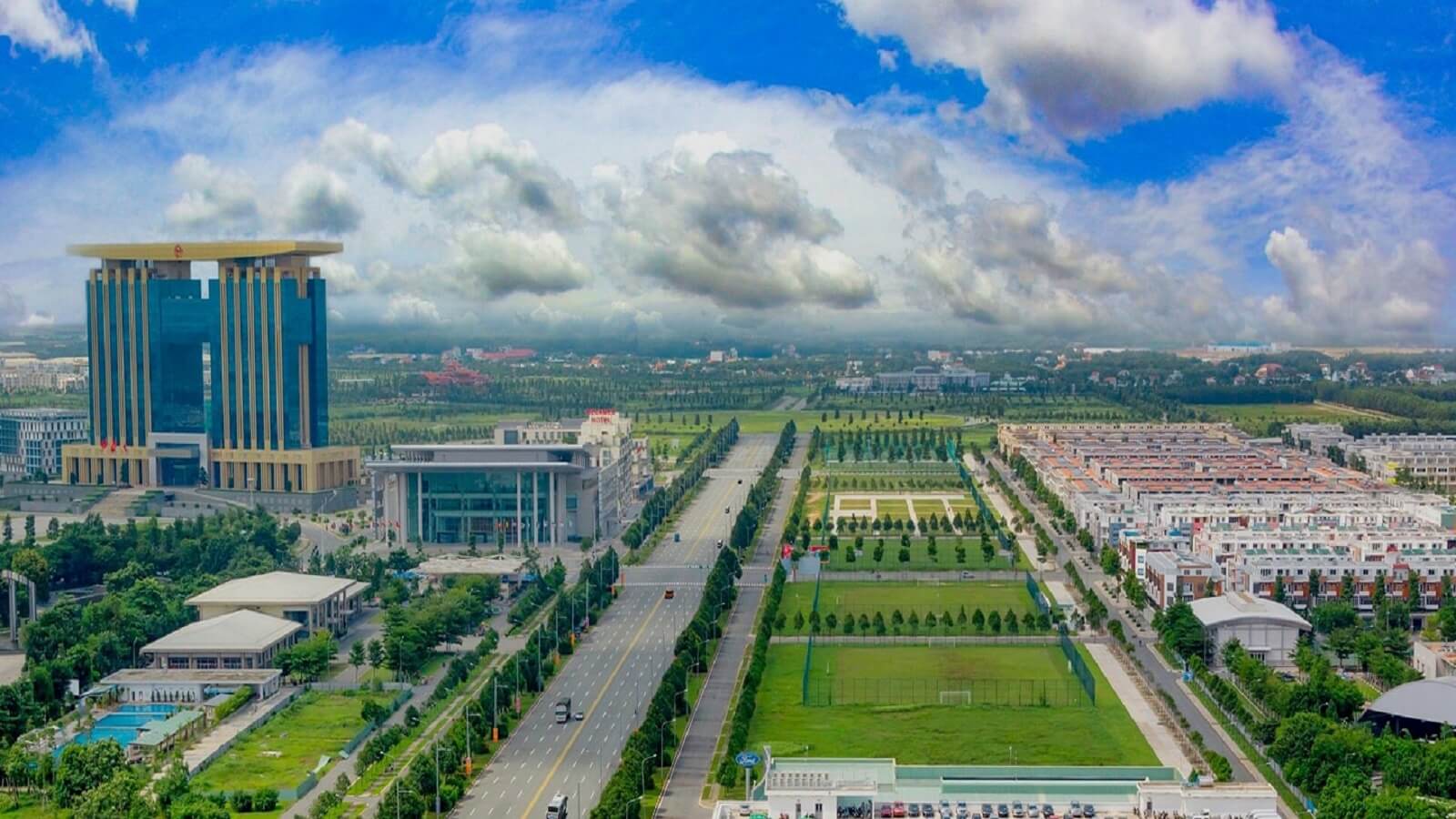
Vietnam's rapid economic growth and strategic location have made it an attractive destination for foreign investors. At the heart of this economic transformation are the country's foreign investment zones, which offer a range of benefits and opportunities for international businesses. This article delves into the world of Vietnam's foreign investment zones, exploring their advantages, key locations, and the potential they hold for global investors.
In recent decades, Vietnam has emerged as one of the fastest-growing economies in Southeast Asia. This remarkable growth is partly driven by the country’s commitment to attracting foreign direct investment (FDI). Central to this strategy are Vietnam's foreign investment zones, which have played a crucial role in the country's economic development and continue to present appealing opportunities for international investors.
Current Situation of Foreign Direct Investment in Vietnam
FDI attraction has consistently increased in recent years, continuously reaching record levels in both registered capital and actual investment. As of July 2024, total FDI into Vietnam reached over $18 billion, an increase of 10.9% compared to the same period last year. Actual capital disbursement exceeded $12.5 billion, up 8.4%; newly registered FDI capital approached $10.8 billion, an increase of 35.6%, while adjusted registered FDI capital neared $5 billion, up 19.4%. Thus, both registered investment capital and actual investment during the first seven months continue to grow compared to the same period last year.
What Are Foreign Investment Zones in Vietnam?
Foreign investment zones in Vietnam are specially designated areas aimed at attracting and facilitating foreign investment. These zones come in various forms, including:
Special Economic Zones (SEZs)
Industrial Parks
Export Processing Zones (EPZs)
High-Tech Zones
These zones began to emerge in the late 1980s as part of Vietnam's "Doi Moi" economic reforms, aimed at transforming the country from a centrally planned economy to a market economy. Since then, they have developed and expanded, becoming an essential part of Vietnam's economic landscape.
Benefits of Investing in Foreign Investment Zones in Vietnam
1. Tax Incentives and Reductions
One of the most attractive features of Vietnam's foreign investment zones is the generous tax incentives they offer. These incentives can include:
Reduction or exemption of corporate income tax (CIT) for a certain period
Exemption from value-added tax (VAT) on imported goods
Exemption from import duties on raw materials and equipment
For example, some high-tech zones provide CIT exemptions for the first four years of operation, followed by a 50% reduction for the next nine years. According to the Vice President of the Vietnam Economic Science Association, and former Director of the Vietnam Institute of Economics, “These incentive policies encourage foreign investment projects in high-tech industrial parks, export processing zones, industrial zones, and economic zones with various benefits. We also have other laws related to attracting FDI, along with technology, such as the High Technology Law, Land Law, Corporate Income Tax Law, and Export-Import Tax Law, which also contribute to making the investment environment more attractive. Based on this, we have decrees and circulars that specify these laws.”
He also emphasized that “The government has some breakthrough policies, such as Decision No. 29/2021/QD-TTg by the Prime Minister in 2021, which provides the highest investment incentives for strategic investment projects and has set clearer criteria for technology transfer, investment in R&D, and participation in the supply chain.”
2. Infrastructure and Logistics Advantages
Foreign investment zones often have superior infrastructure compared to other areas. This includes:
Modern factories and offices
Stable electricity and water supply
High-speed internet connectivity
Well-maintained road systems and transport links
Many of these zones are located near major ports and airports, facilitating import and export activities.
3. Access to a Skilled Workforce
Vietnam's young and increasingly skilled workforce is a significant attraction for foreign investors. Many investment zones partner with local universities and vocational schools to ensure a qualified labor pool. Some zones even provide on-site training facilities to further develop local human resources.
4. Streamlined Administrative Procedures
To enhance attractiveness, many foreign investment zones offer simplified administrative processes. This often includes:
One-stop shops for licensing and registration
Shortened customs procedures
Support for visa and work permit applications for foreign employees
These streamlined processes can significantly reduce the time and effort needed to establish and operate a business in Vietnam.
Key Foreign Investment Zones in Vietnam
Vietnam has numerous foreign investment zones nationwide. Some notable areas include:
Tan Thuan Export Processing Zone (Ho Chi Minh City): One of the first and most successful EPZs in Vietnam, focusing on light industry and electronics.
Dung Quat Economic Zone (Quang Ngai Province): Home to Vietnam's first oil refinery and petrochemical complex.
Hoa Lac High-Tech Zone (Hanoi): Specializing in information technology, biotechnology, and new materials.
Dinh Vu-Cat Hai Economic Zone (Hai Phong): A large industrial and port complex in northern Vietnam.
Opportunities for Foreign Investors
Vietnam's foreign investment zones offer opportunities across various sectors, including:
Manufacturing (electronics, textiles, automotive)
Information Technology and Software Development
Renewable Energy
Biotechnology and Pharmaceuticals
Logistics and Supply Chain Management
Many multinational corporations have successfully operated in these areas. For instance, Samsung has made substantial investments in the northern provinces of Vietnam, establishing massive electronics manufacturing facilities that account for a significant portion of the country's export turnover. Lee Jae Yong, Vice Chairman of Samsung Group, noted, “Vietnam is becoming a leading manufacturing hub, and we are very confident in our investment prospects here.”
Challenges and Considerations
While Vietnam's foreign investment zones offer many benefits, investors should also be aware of potential challenges:
Regulatory Environment: Despite improvements, navigating Vietnam's legal and regulatory landscape can still be complex for foreign investors.
Competition: Some sectors within foreign investment zones may face high competition from both domestic and international companies.
Economic Risks: Global and regional economic fluctuations may impact business operations and profitability.
Conclusion
Vietnam's foreign investment zones represent a golden opportunity for international businesses looking to expand into Southeast Asia. With their attractive incentives, strategic locations, and supportive ecosystems, these zones have played a pivotal role in Vietnam's economic success story. As the country continues to develop and refine its investment landscape, the potential for growth and success in these zones remains high.
For businesses considering investment in Vietnam, thorough research and careful planning are essential. By leveraging the benefits of these specialized zones and navigating the challenges effectively, foreign investors can position themselves for long-term success in one of Asia's most dynamic economies.
Are you interested in exploring investment opportunities in Vietnam's foreign investment zones? Contact the Harley Miller Law Firm with experienced local partners to learn more about how you can be part of Vietnam's exciting economic journey.
The requirements for declaring beneficial owners raise various questions for different types of enterprises, particularly companies with only one owner. Must single-member limited liability companies declare their beneficial owners?
Identifying and declaring information on beneficial owners is an important obligation of enterprises under the law. What is the latest prescribed order for declaring beneficial owners of enterprises in 2026?
Individuals engaged in affiliate marketing who earn income from commissions, advertising and other sources must fulfill their tax liabilities in accordance with regulations. How much tax must these individuals pay?
Vietnamese workers working for foreign organizations and individuals in Vietnam need to know which agencies or organizations they may request support from when their rights and interests are affected, as well as what they must do after entering into a labor contract.
Decree No. 371/2026/ND-CP detailing the recruitment and management of Vietnamese workers working for foreign organizations and individuals in Vietnam, effective from November 15, 2026, introduces several changes concerning the reporting responsibilities of the parties involved in recruitment.
The resolution on national security strategy provides a broader approach to protecting national security for a period in which technological advance, economic interdependence and non-traditional security risks are increasingly interconnected.
How does Circular No. 118/2026/TT-BTC regulate the application of International Accounting Standards in Vietnam? Which enterprises may choose to apply these Standards, and what principles must they follow?
The Urban Development Law is expected to unlock resources and enable Vietnamese cities to develop on the basis of productivity, technology and regional connectivity and become new growth poles of the economy.
A number of new Decrees officially take effect from October 1, 2026, directly affecting various areas. Below is a list of Decrees taking effect in October 2026.
A roundup of key new policies and regulations taking effect in October 2026, covering banking, social policies, taxation, investment, and other areas of interest to individuals and businesses.

 English
 RSS
RSS