 English
 RSS
RSS
On February, the Minister of Education and Training hereby promulgates the Circular on promulgation of the Standards for higher education institutions.
The Standards for higher education institutions serve as the basis for planning and arranging the network of higher education institutions; assessing and monitoring quality assurance conditions and accountability of higher education institutions in accordance with the law regulations.
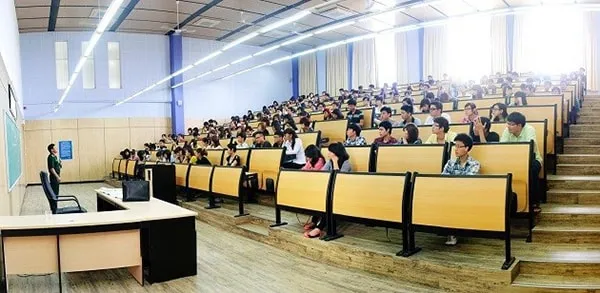
Standards for higher education institutions include 6 standards with 20 criteria. A number of important criteria as follows:
Standards for academic staff
The higher education institution has the academic staff that meet the requirements in terms of quantity, qualifications and time to ensure the quality of teaching and research.
The ratio of students converted from those of all levels, fields and forms of education to the full-time academic staff shall not be greater than 40.
The percentage of permanent academic staff of working age to full-time academic staff shall not be lower than 70%.
Percentage of full-time academic staff with doctoral degrees
- Not lower than 20% and from 2030 not lower than 30% for higher education institutions that do not provide doctoral training; not lower than 5% and from 2030 not lower than 10% for specialized schools that do not provide doctoral training;
- Not lower than 40% and from 2030 not lower than 50% for higher education institutions that provide doctoral training; not lower than 10% and from 2030 not lower than 15% for specialized schools that provide doctoral training.
For facilities
The higher education institution has its campus, facilities, information systems and learning resources that meet the requirements to ensure the quality of teaching, learning and research.
From 2030, the average land area per one full-time student converted from those of all levels and fields of education shall not be less than 25 m2.
Construction floor area for education purposes per number of full-time students converted from those of all levels and fields of education shall not be less than 2.8 m2.
The library and learning resource center have enough textbooks, monographs and other learning resources as required by the training program, including:
- The average number of textbooks and monographs per major at each education level shall not be less than 40;
- The average number of copies of textbooks and monographs per student converted from those of all levels of education shall not be less than 5.
Internet connection capacity per thousand students shall not be lower than the average fixed broadband speed in Vietnam.
Circular No. 01/2024/TT-BGDDT takes effect on March 22, 2024.