 English
 RSS
RSS
Compared to the 2017 Railway Law, the 80-article draft Law retains 14 articles, amends and supplements 59 articles, adds seven new articles, and annuls 12 articles.
Incentives for enterprises engaged in railway activities
In addition to the common incentives specified in the 2017 Railway Law, the draft Law additionally provides particular incentives and support for domestic and foreign organizations and individuals engaged in railway activities.
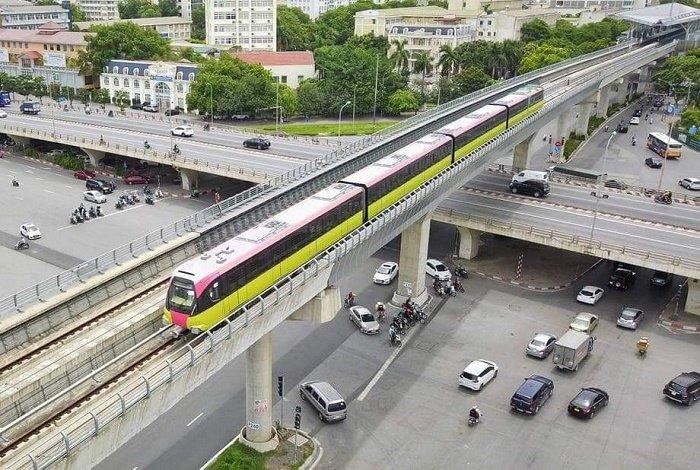
Enterprises with charter capital wholly held by the State would be allowed to increase their charter capital when investing in or acquiring assets of projects on import of new railway equipment and technological lines in the form of state capital investment in production and business activities at enterprises.
Railway infrastructure investment and management
Under the draft, the State’s capital contribution to railway investment projects in the form of public-private partnership would not be allowed to exceed 80 percent of the total investment capital. Provincial-level authorities would coordinate with the MOT in allocating sufficient land areas surrounding railway stations for development of urban centers and construction of commercial service areas, offices and hotels.
Localities might use their budgets to formulate public investment projects for payment of land compensation and resettlement support, and auction of land use rights and the right to use underground spaces and airspaces in land areas surrounding railway stations as a basis for implementing urban development projects under approved master plans.
Proceeds from the exploitation of land areas surrounding railway stations would be partly earmarked for reinvestment in the railway infrastructure development.
In order to shorten the period of implementation of high-speed railway and cutting-edge urban railway projects, the draft permits the use of front-end engineering designs instead of basic designs in feasibility study reports for new railway projects under the National Assembly’s competence for investment policy decision.
Provincial authorities would be empowered to implement projects on infrastructure construction investment for urban railways and regional railways after such projects are approved by the Government.
In case a railway route passes through two or more than two provinces and cities, the provincial-level People’s Committees of localities along such railway route would work together to select one locality liable to submit the investment policy proposal to a competent authority for decision.
Funds for the implementation of regional railway investment projects would be allocated to localities on the basis of either the length of the railway route passing through each locality or a funding proportion mutually agreed upon by concerned localities.
The draft also suggests assigning some national railway infrastructure assets, such as stations and freight yards, to enterprises tasked to manage such assets by the method of state capital contribution calculation.
Connection of railway transport with other modes of transport
In provinces and cities where national railways traverse, international airports with the minimum capacity of 30 million passengers per year, special seaports and grade-I seaports would have to connect with railways. The State facilitates the connection of railways with inland container depots, inland waterway ports and cargo transshipment hubs.
Project owners would be required to reserve land areas for the purpose of railway connection. Organizations and individuals would be exempt from land rental for land areas reserved for construction of infrastructure for railway connection.
Passenger terminals/stations on national railway routes that pass through grade-I or higher-grade urban areas would be located in urban centers of such areas in order to facilitate passenger travel and minimize transfer.
As for new railways crossing roads, railway development project owners would have to build non-level crossings, feeder roads and railway safety corridor fences.
Railway transport activities
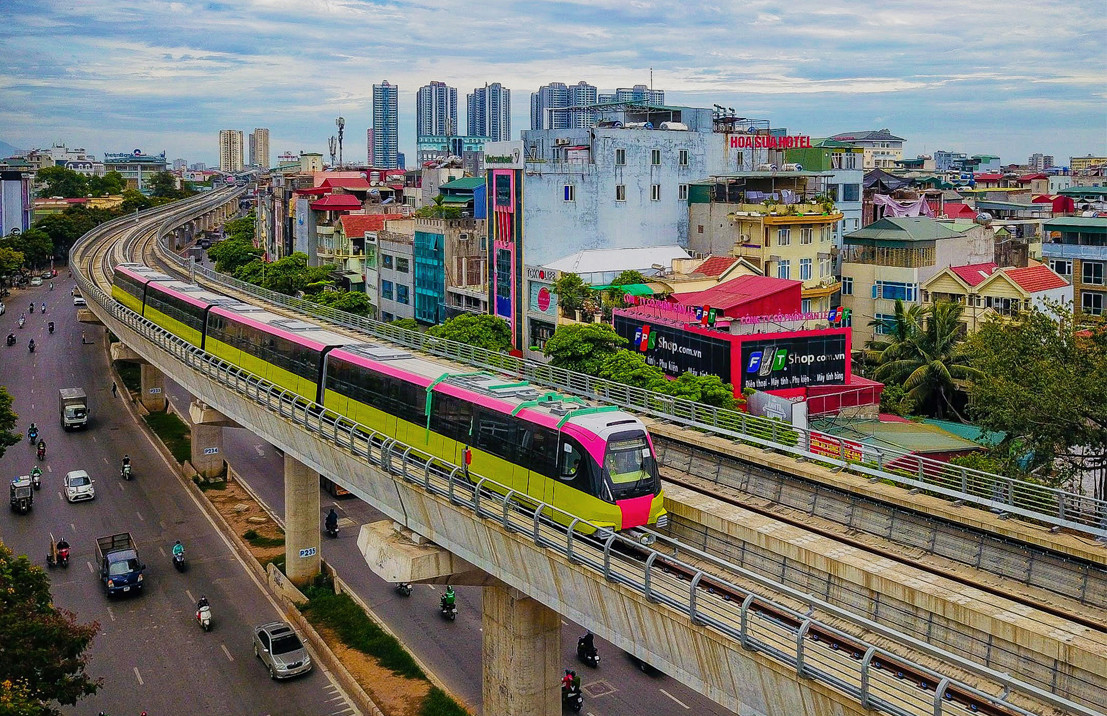
Under the draft, provincial-level People’s Committees would be vested with the power to grant, re-grant, revoke and deregister rolling stock registration certificates and grant urban train driving licenses.
Regarding conditions for being granted a train driving license, the draft law annuls the age requirement and provides other criteria. Accordingly, to be granted such a license, a person must (i) hold a valid health certificate; (ii) possess a professional diploma or certificate in driving rolling stocks granted by a training institution; (iii) have passed a test for the type of rolling stock stated in the train driving license; and (iv) have completed an internship period as a train driver.
In addition, the MOT proposes management of technical safety quality and environmental protection of a rolling stock based on law-specified standards and technical regulations instead of the age of vehicle as provided currently. Vehicle operators would take fully responsibility for the safety of rolling stocks during the operation process.
The draft also promotes the transition to using electric and green energy-powered rolling stock and defines responsibility of agencies for ensuring the necessary implementation resources.
The draft Law is scheduled to be passed by the National Assembly in October 2025.
By VLLF