 English
 RSS
RSS
The objectives by 2030 are to develop the airport system toward completeness and modernity, thereby meeting the transport demand and in-depth international integration; to protect the environment and conserve resources; to ensure national defense and security; to improve the competitiveness of the economy, with the following specific targets:
- Regarding transportation: The total number of passengers traveling through airports will be 275.9 million (accounting for 1.5-2% of the total market share of the transport sector and 3-4% of the total number of passengers traveling inter-provincially). The total airfreight throughput will be about 4.1 million tons (accounting for 0.05-0.1% of the total market share of the transport sector).
- Regarding infrastructure facilities: To prioritize investing in a number of large airports serving as transport hubs in the Hanoi metropolitan area and Ho Chi Minh City area, increase the total design capacity of the airport system to serve some 294.5 million passengers.
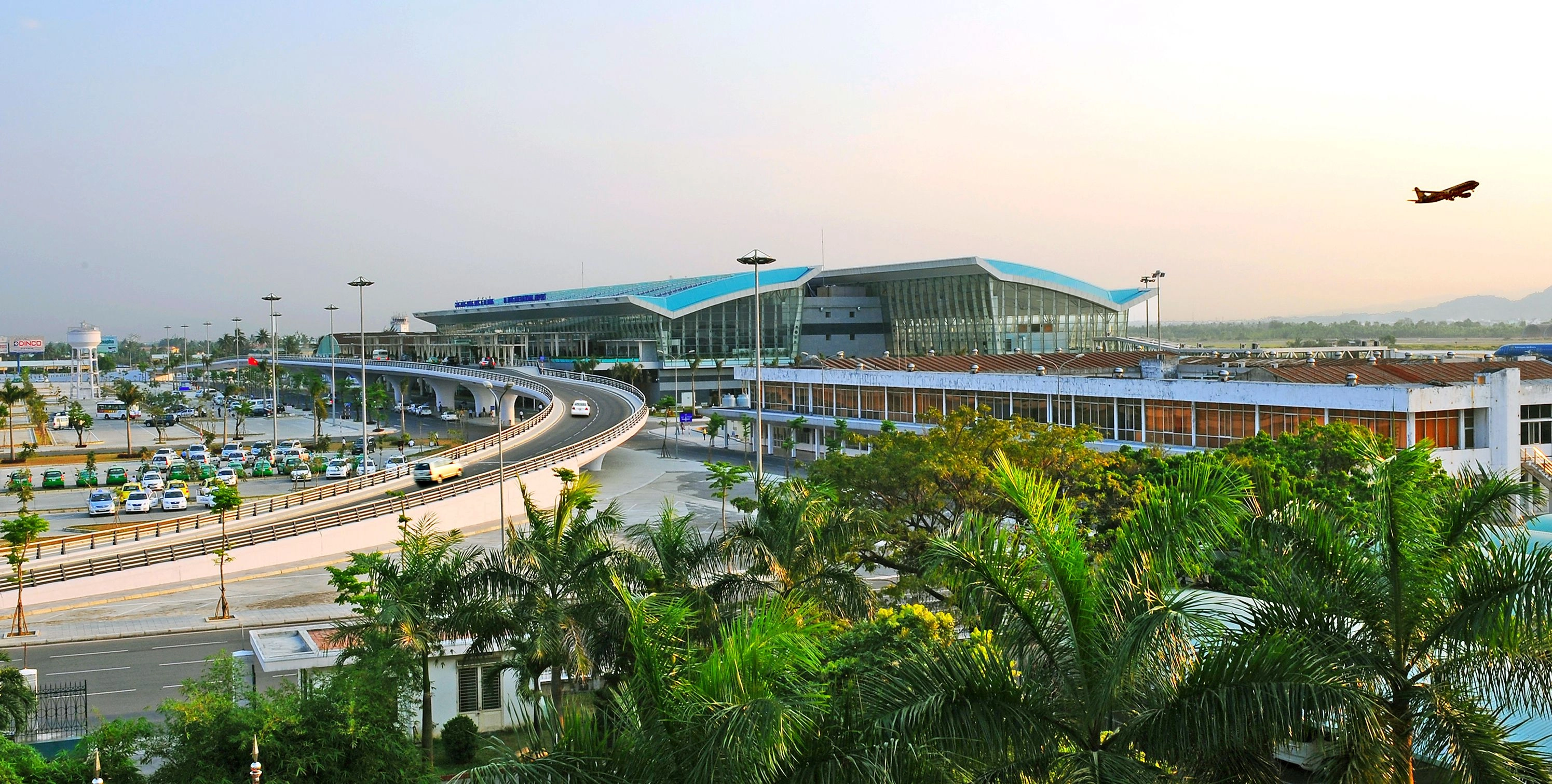
Besides, the vision toward 2050, is to form 2 air transportation hubs for international transshipment up to the regional level in the Hanoi metropolitan area and Ho Chi Minh City area
In the 2021-2030 period, the airport system will be planned under the hub-and-spoke model with 2 main hubs in the Hanoi metropolitan area and Ho Chi Minh City area with 30 airports, 14 international airports, and 16 domestic airports. Vision for 2050, is to form 33 airports, including 14 international airports, and 19 domestic airports.
Apart from building new important international airports, the Government also expands existing ones that serve as air transportation hubs, including Long Thanh, Tan Son Nhat, Noi Bai, Da Nang, Cam Ranh, and Phu Quoc, build new airports or expand existing ones in deep-lying, remote and mountainous areas and on islands; airports serving regular military activities; and other airports in the system to meet the aviation operation and socio-economic development needs.
The Government estimates that the investment capital demand for the development of the airport system by 2030 is around VND 420 trillion mobilized from the state budget, off-state budget sources and other legal sources.