English
 RSS
The proposal for formulating the Law on Traditional Medicine is stated in Directive No. 25/CT-TTg of the Prime Minister, dated September 15, 2025.
Directive No. 25/CT-TTg focuses on studying and proposing the formulation of a Law on Traditional Medicine in order to create a consistent legal framework and promote the development of this sector in the new period. The key related contents include:
- Reviewing and improving specific mechanisms and policies on traditional medicine; strengthening the integration of traditional medicine with modern medicine; studying the expansion of the scope of use and health insurance coverage for traditional medicine, herbal drugs, medicinal herbs, and medical examination and treatment services by traditional medicine; and concurrently proposing the formulation of the Law on Traditional Medicine.
- Improving standards and professional titles in the field of traditional medicine to ensure the quality of human resources, consistent with the orientation for completion of the legal system.
- Investing in the construction of new, upgraded, and expanded traditional medicine medical examination and treatment establishments, giving priority to allocating public investment capital for urgent facilities in line with the health network planning.
- Issuing guidelines on diagnosis, treatment, and technical procedures; promoting the integration of traditional medicine with modern medicine, focusing on strengths such as acupuncture and non-drug methods.
- Enhancing scientific research, developing products from medicinal herbs, studying traditional remedies, and proposing budgetary mechanisms for clinical and nutritional research in traditional medicine.
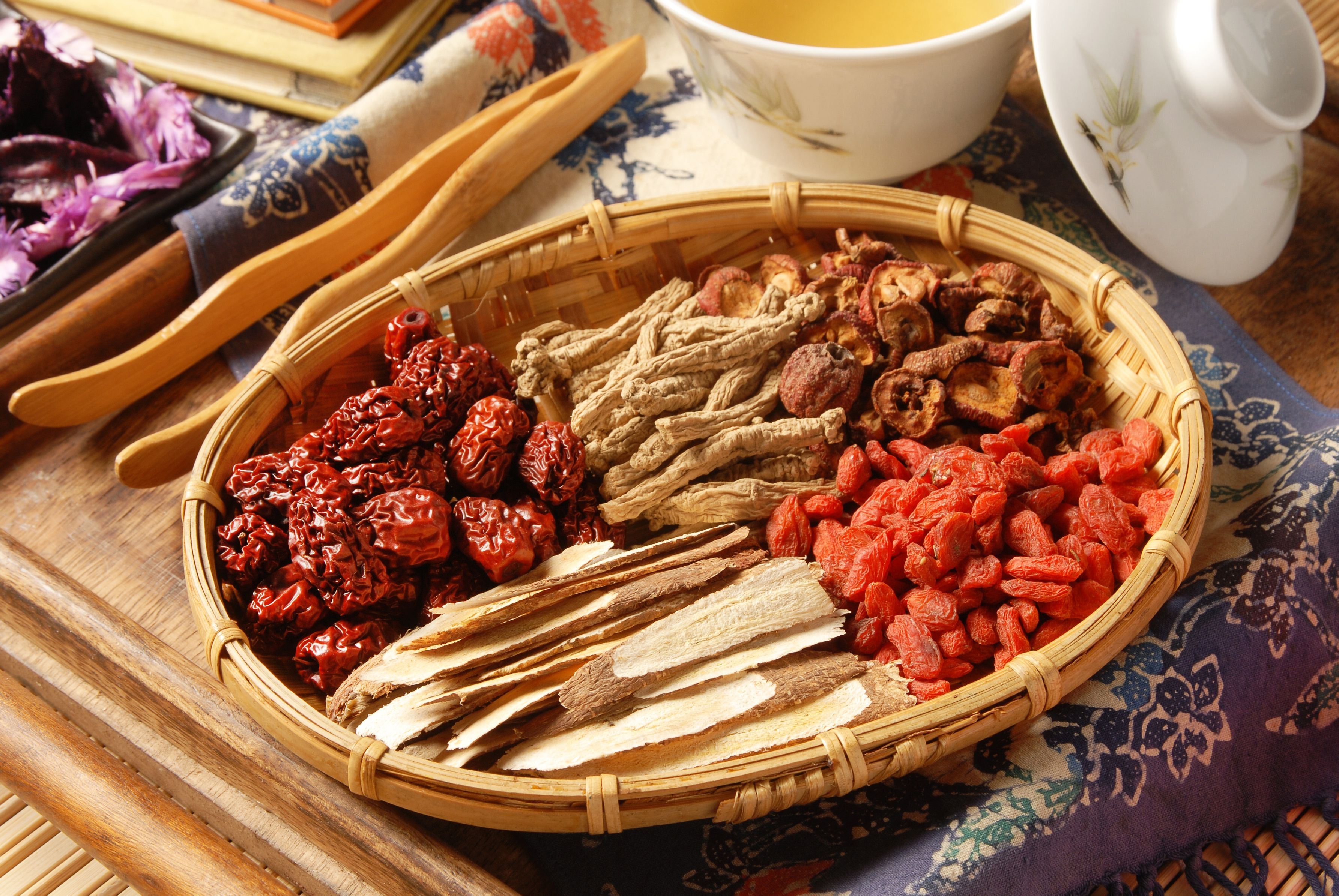
- Planning and developing medicinal herb areas in the direction of industrialization; promulgating national and local planning maps; standardizing cultivation, harvesting, and processing processes in accordance with international standards (GACP-WHO, Organic, etc.), with digital origin traceability.
- Digitizing documents and establishing a national database on medicinal herb areas, medicinal substances, medicinal plants, remedies, notable physicians, and scientific works, ensuring convenient sharing and access.
This Directive takes effect on September 15, 2025.