In recent years, Vietnam has become a thriving hub for international education, drawing an increasing number of foreign investors and educators. However, navigating the complex legal compliance landscape for international schools in this dynamic market can be daunting. This comprehensive guide aims to clarify the essential aspects of legal compliance, ensuring your international school's success in Vietnam, with a focus on recent updates from Decree 124/2024/ND-CP.
Vietnam's international education sector has seen remarkable growth, with many expatriate families and local students seeking high-quality, globally-recognized education. As this sector expands, so does the importance of understanding and adhering to the legal framework governing international schools in the country.
Legal compliance isn't just a regulatory requirement—it's a cornerstone for building trust with students, parents, and local authorities. It also plays a crucial role in ensuring the long-term sustainability and success of your educational institution in Vietnam.
2. Understanding the Legal Framework
International schools in Vietnam operate under a complex web of laws and regulations. The primary legislation governing education in Vietnam is the Education Law, which has undergone several amendments to accommodate the growing international education sector. Key regulatory bodies overseeing international schools include:
The Ministry of Education and Training (MOET)
The Ministry of Labor, Invalids and Social Affairs (MOLISA)
Local Departments of Education and Training
Recent updates in legislation, particularly Decree 124/2024/ND-CP, introduce significant changes for international schools in Vietnam. Key modifications include enhanced transparency requirements, clearer accountability for information disclosure, and standardized inspection processes. These changes aim to maintain high educational standards while improving the operational framework for international schools.
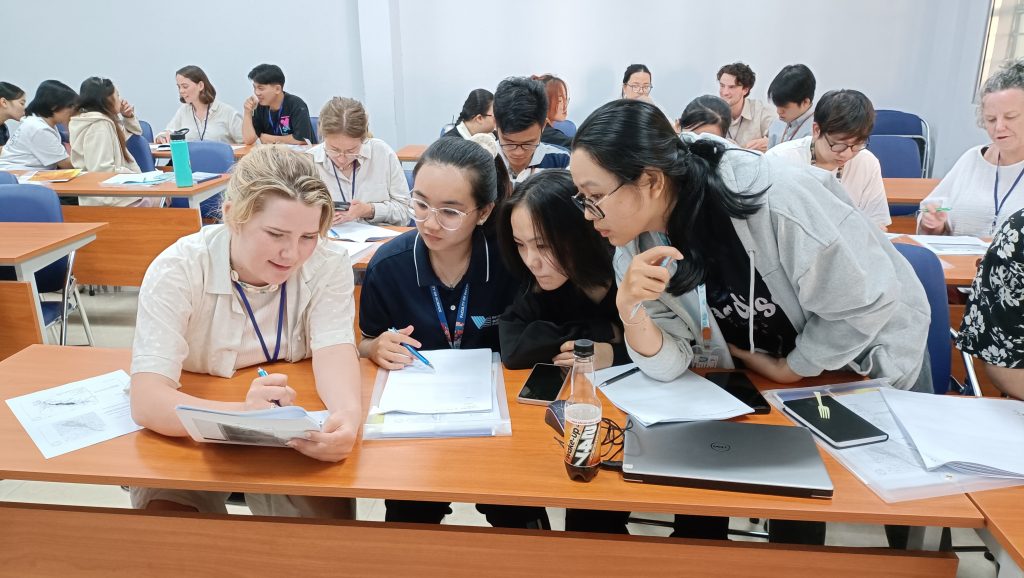
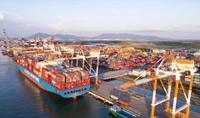
Vietnam's international education sector has seen remarkable growth (Illustration)
Key updates from Decree 124/2024/ND-CP, effective from November 20, 2024, include:
Mandatory disclosure of educational programs, accreditation results, and staff composition on school websites
Explicit responsibility for the accuracy of disclosed information
Standardized methods for inspecting and evaluating academic results
It's crucial for school administrators to thoroughly understand and implement these new regulations to ensure compliance and maintain their institution's reputation.
3. Licensing and Registration Requirements
Obtaining the necessary licenses is a critical first step in ensuring legal compliance. The process typically involves (Clause 14, Article 1 of this Decree):
Investment Registration Certificate (IRC): Required for foreign investors and obtained from the Department of Planning and Investment.
Establishment License: Issued by MOET, this license approves the school's establishment.
Operation License: Also issued by MOET, this permits the school to begin operations.
According to Clause 23, Article 1 of this Decree, documentation required for registration includes a detailed business plan, proof of financial capacity, curriculum details, and staff qualifications. It's important to note that licenses typically need periodic renewal, and schools should be prepared for regular inspections.
4. Curriculum and Academic Standards Compliance
International schools in Vietnam must strike a balance between offering an international curriculum and meeting local education requirements (Clause 20, Article 1, Decree 124/2024/ND-CP). Key considerations include:
Vietnamese curriculum integration: Schools are often required to include Vietnamese language and culture in their curriculum.
Accreditation standards: Many international schools seek accreditation from recognized international bodies to ensure their curriculum meets global standards.
Language of instruction: While English is commonly used, there may be requirements for Vietnamese language instruction, especially for Vietnamese students.
5. Staffing and Employment Regulations
According to Labor Code and Clause 21, Article 1, Decree 124/2024/ND-CP, employing both foreign and local staff comes with its own set of compliance requirements:
Teacher qualifications: Foreign teachers typically need a bachelor's degree and teaching certification from their home country.
Work permits: Foreign staff require work permits, which involve a complex application process.
Local staff employment: Schools must comply with Vietnamese labor laws when employing local staff, including regulations on contracts, working hours, and benefits.
6. Financial Compliance and Reporting
International schools must adhere to strict financial regulations:
Tax obligations: Schools are subject to various taxes, including corporate income tax and value-added tax.
Financial reporting: Regular financial reports must be submitted to relevant authorities.
Auditing: Schools may be required to undergo annual audits by approved Vietnamese auditing firms.
7. Health, Safety, and Infrastructure Standards
Ensuring a safe and healthy environment for students is paramount:
Building and facilities requirements: Schools must meet specific standards for classrooms, laboratories, and recreational areas.
Health and safety regulations: This includes fire safety measures, emergency protocols, and regular health check-ups for students and staff.
Emergency preparedness: Schools must have clear procedures for various emergencies, including natural disasters.
8. Student-Related Compliance
Managing student affairs also involves several compliance areas:
Admission policies: Schools must have clear, non-discriminatory admission policies.
Student visa facilitation: For international students, schools often need to assist with visa processes.
Data protection: Schools must comply with regulations regarding the collection, storage, and use of student data.
9. Challenges and Best Practices
Common compliance challenges for international schools in Vietnam include keeping up with changing regulations, managing cross-cultural expectations, and maintaining consistent standards. Best practices for maintaining compliance include:
Regular staff training on compliance issues
Establishing strong relationships with local authorities
Implementing robust internal audit processes
Seeking expert legal advice for complex issues
10. Future Outlook and Preparing for Changes
The regulatory landscape for international schools in Vietnam continues to evolve. Schools should stay informed about potential changes, such as:
Increased emphasis on technology integration in education
Potential changes to foreign ownership regulations
To stay ahead of compliance requirements, schools should actively participate in education forums, maintain open communication with regulatory bodies, and consider joining international school associations operating in Vietnam.
11. Conclusion
Legal compliance for international schools in Vietnam is a multifaceted challenge that requires ongoing attention and effort. By understanding and adhering to the various regulatory requirements – from licensing and curriculum standards to financial reporting and student affairs – international schools can build a strong foundation for long-term success in Vietnam's growing education market.
Remember, compliance is not just about avoiding penalties; it's about creating a safe, high-quality educational environment that benefits students, staff, and the broader community. By prioritizing legal compliance, international schools can focus on their primary mission: providing excellent education and preparing students for global success.
As Vietnam's education sector continues to develop, staying informed and adaptable will be key to navigating the evolving regulatory landscape. With careful planning, diligent management, and a commitment to compliance, international schools can thrive in this exciting and dynamic market.
Individuals engaged in affiliate marketing who earn income from commissions, advertising and other sources must fulfill their tax liabilities in accordance with regulations. How much tax must these individuals pay?
Vietnamese workers working for foreign organizations and individuals in Vietnam need to know which agencies or organizations they may request support from when their rights and interests are affected, as well as what they must do after entering into a labor contract.
Decree No. 371/2026/ND-CP detailing the recruitment and management of Vietnamese workers working for foreign organizations and individuals in Vietnam, effective from November 15, 2026, introduces several changes concerning the reporting responsibilities of the parties involved in recruitment.
The resolution on national security strategy provides a broader approach to protecting national security for a period in which technological advance, economic interdependence and non-traditional security risks are increasingly interconnected.
How does Circular No. 118/2026/TT-BTC regulate the application of International Accounting Standards in Vietnam? Which enterprises may choose to apply these Standards, and what principles must they follow?
The Urban Development Law is expected to unlock resources and enable Vietnamese cities to develop on the basis of productivity, technology and regional connectivity and become new growth poles of the economy.
A number of new Decrees officially take effect from October 1, 2026, directly affecting various areas. Below is a list of Decrees taking effect in October 2026.
A roundup of key new policies and regulations taking effect in October 2026, covering banking, social policies, taxation, investment, and other areas of interest to individuals and businesses.
The 2026 amended Law on Vietnamese Guest Workers has amended and supplemented various regulations on worker source preparation, training fees, recruitment, contracts, licenses, and responsibilities of enterprises providing the service of sending Vietnamese workers abroad as guest workers.
Circular No. 48/2026/TT-BCT introduces a number of new regulations on procedures for importing goods under tariff quotas, covering dossiers, procedures, and the confirmation of tariff quotas for traders.

 English
 RSS
RSS