 English
 RSS
RSS
Are goods traded in the export processing zones liable for excise tax?
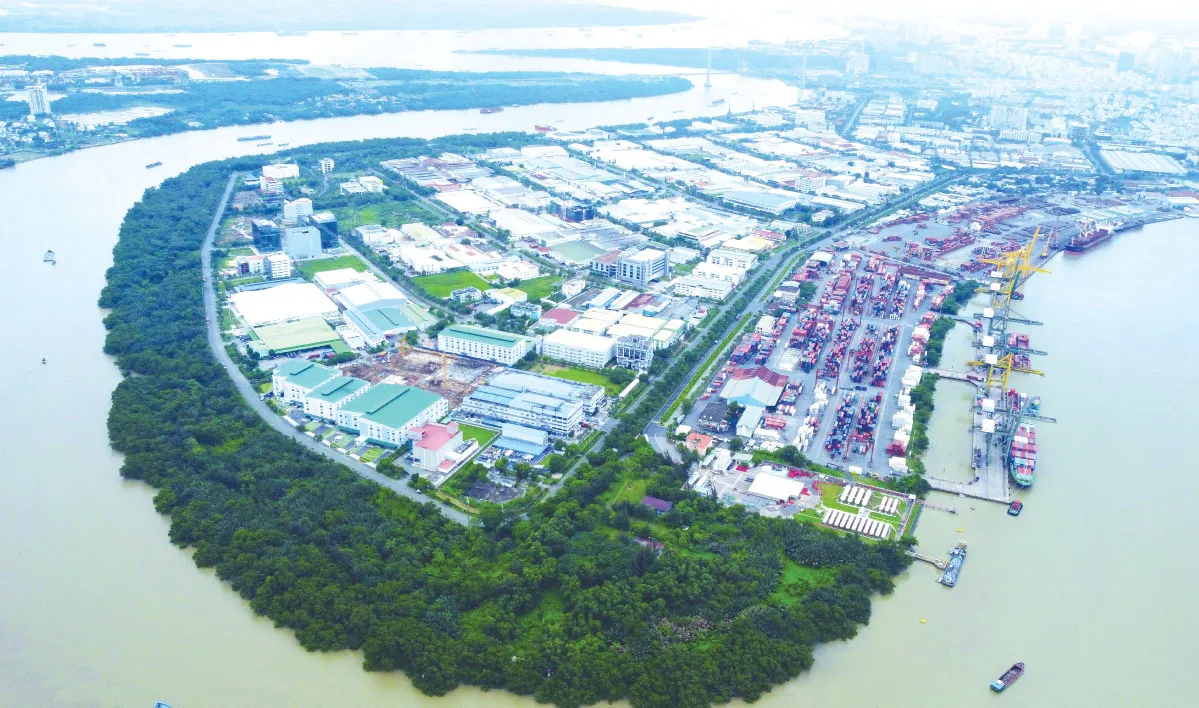
The export processing zone is considered a “micro foreign country” Goods that are traded in the export processing zones are considered as exported goods, accordingly, domestic goods in the export processing zones are not excise tax-reliable objectives.
In particulars:
In accordance with Clause 20, Article 4, Circular No. 219/2013/TT-BYC:
[...] Non-tariff zones include: Export processing zones, export processing enterprises, tax-suspension warehouses, tax-suspension zones, bonded warehouses, special trade and economic zones, trade and industrial zones and other economic zones established and enjoying tax incentives like non-tariff zones under the Prime Minister’s decisions. Goods purchase, sale and exchange relations between these zones and outside areas are import and export relations. [...]
The export processing zones are considered as the non-tariff zone and the relationship of trading goods and services are considered as the relationship of exporting goods and service.
Compared with the provisions prescribed at Clause 1, Article 3, Law on Excise Tax No. 27/2008/QH12
Article 3. Non-taxable objects
Goods specified in Clause 1, Article 2 of this Law are not subject to excise tax in the following cases:
1. Goods which are directly exported by producers or processors, or which are sold or entrusted by these producers or processors to other business establishments for export;
[...]
At the same time, Clause 6, Article 3, Decree No. 108/2015/ND-CP prescribing the
[...]
6. Goods imported from foreign countries into non-tariff areas, goods sold from the inland into and used only in non-tariff areas, and goods purchased and sold between a non-tariff area and another, except:
Goods brought into areas entitled to the application of regulations on residential non-tariff areas without solid fences, and under 24-seat passenger cars.
[...]
From the above provisions, domestic goods in the export processing zones are not excised tax-reliable objectives.
List of taxable objects of excise tax
In accordance with Clause 1, Article 2, Law on Excise tax 2008 which is amended and supplemented in 2014, and Article 2, Decree No. 108/2015/ND-CP, taxable objects of excise tax as follows:
|
No. |
Names of goods |
|
1. |
- Cigarettes, cigars and other tobacco preparations used for smoking, inhaling, chewing, sniffing or keeping in the mouth; |
|
2. |
- Liquor; |
|
3. |
Beer |
|
4. |
- Under-24-seat cars, including cars for both passenger and cargo transportation with two or more rows of seats and fixed partitions between passenger holds and cargo holds; |
|
5. |
- Two- and three-wheeled motorcycles with a cylinder capacity of over 125 cm3; |
|
6. |
- Aircraft and yachts; |
|
7. |
- Gasoline of all kinds. |
|
8. |
- Air conditioners of 90,000 BTU or less |
|
9. |
- Playing cards; |
|
10. |
- Votive gilt papers and votive objects. |
|
Excise tax-liable goods are complete commodities, excluding component sets used for assembling these commodities. |
|
Besides, clause 2, Article 2, Law on Excise tax 2008 also prescribes the non-tax liable objectives as follows: Dance halls; massage parlors and karaoke bars; casinos; prize-winning video games, including jackpot and slot games and games on similar machines; betting; golf business (including the sale of membership cards and golf playing tickets); lottery business.
Here is the answer to the question of whether goods traded in the export processing zones are liable for excise tax or not.