
Differentiation of the tax rate of 0% and objects not liable to VAT

The tax rate of 0% and objects not liable to VAT are both exempted from tax. However, there are some differences between these two types of taxes.

Differentiation of the tax rate of 0% and objects not liable to VAT

Criteria

Non-taxable

Tax rate of 0 %

Subjects:

In accordance with Article 4, Circular No. 219/2013/TT-BTC, non-taxable objects include:

Products of cultivation and husbandry, reared and fished aquatic and marine products which have not yet been processed into other products.....

Materials and goods in the industries such as: Encourage agricultural production development; support for materials that cannot be produced domestically; services that relate practically, directly to people's lives and are not business

In accordance with Article 9, Circular No. 219/2013/TT-BTC, The 0% tax rate applies to exported goods and services; construction and installation of works overseas and in non-tariff zones; international transportation; and goods and services not liable to VAT as follows:

- Offshore reinsurance; offshore transfer of technologies or intellectual property rights; offshore capital transfer, credit extension or securities investment; derivative financial services; outbound post and telecommunications services....

- Petrol and oil sold to domestically purchased automobiles of businesses in non-tariff zones;

- Automobiles sold to organizations and individuals in non-tariff zones.

Taxable objectives

Non-taxable objectives

Taxable objectives

VAT declaration

Enterprises and business establishments trading goods and/or services are not required to declare VAT because they are non-taxable objects.

Enterprises and other business establishments are required to declare VAT because they are taxable objects.

Tax credit and refund

Business establishments that do not have tax credits and refund of input VAT amounts or include them in the historical costs of fixed assets, value of materials or business charges.

Have tax credit and refund of input VAT on goods and services used for the production of or trade in goods and services liable to taxable objectives.

Meanings

Encourage enterprises to develop necessary sectors for people in the country.

Encourage export enterprises, and promote the consumption of goods and services abroad.

Policies for goods having a tax rate of 0% and not liable to VAT
Differentiation of the tax rate of 0% and objects not liable to VAT
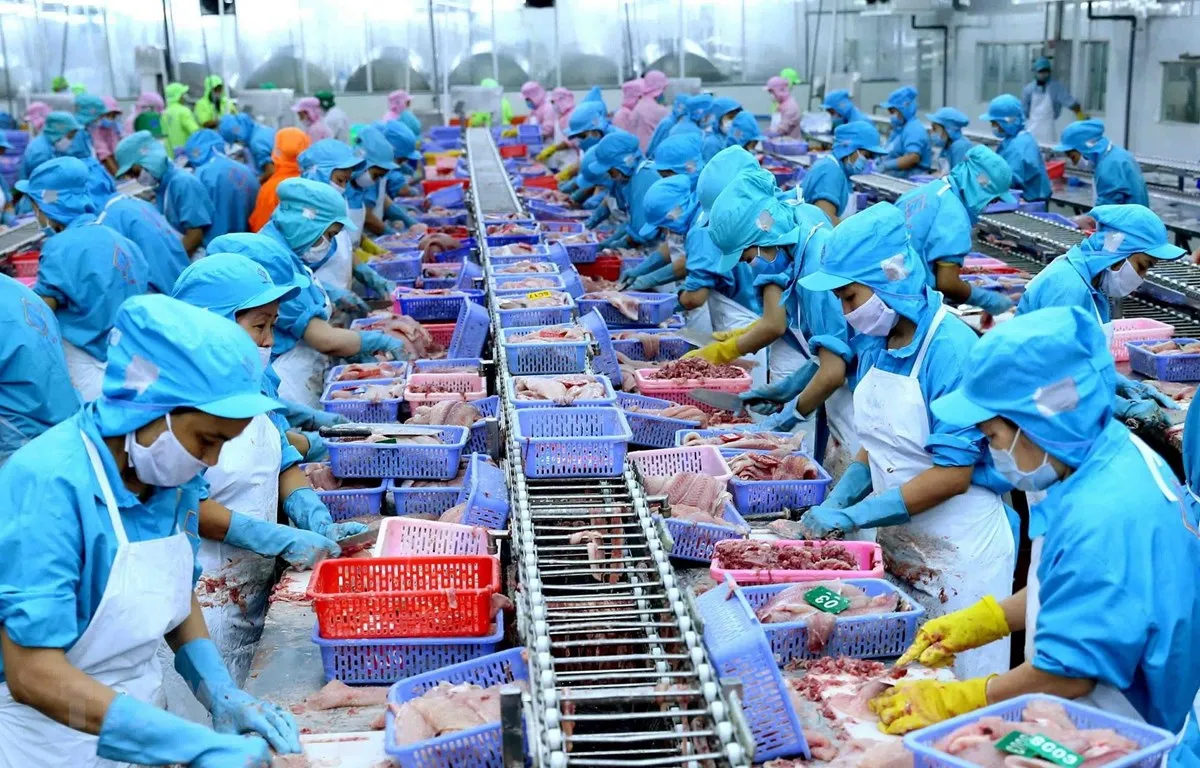
Differentiation of the tax rate of 0% and objects not liable to VAT (Illustration)

- Goods and services subject to the tax rate of 0% or not liable to VAT are included in the State’s policies, so consumers must not pay any VAT amounts.

- Goods subject to the tax rate of 0% to encourage enterprises to export and promote abroad consumption (more competitive selling price, tax credit, and refund (Article 2, Circular No. 25/2018/TT-BTC);

- Non-taxable goods are the policy to encourage enterprises to invest in new industries with high social security (support and encourage domestic consumption).

Note: Goods and services are subject to the VAT rate of 0% for exported goods and services because VAT is calculated by the territory.

Here are the criteria for the differentiation of the tax rate of 0% and objects not liable to VAT. Objectives of application and VAT declaration responsibilities are the differences between these two cases.


1900 6192 để được giải đáp qua tổng đài
090 222 9061 để sử dụng dịch vụ Luật sư tư vấn (CÓ PHÍ)
Đánh giá bài viết:

Tin cùng chuyên mục

Procedures for obtaining approval for listing stocks on foreign securities markets from January 29, 2026

Procedures for obtaining approval for listing stocks on foreign securities markets from January 29, 2026

Procedures for obtaining approval for listing stocks on foreign securities markets from January 29, 2026

To list stocks on foreign securities markets, joint-stock credit institutions must obtain approval from the State Bank of Vietnam. Below are the procedures for obtaining approval for listing stocks on foreign securities markets, in accordance with Circular No. 47/2025/TT-NHNN, which takes effect on January 29, 2026.

Law on Specialized Court provides professional adjudicatory mechanism at International Financial Center

Law on Specialized Court provides professional adjudicatory mechanism at International Financial Center

Law on Specialized Court provides professional adjudicatory mechanism at International Financial Center

The establishment of the International Financial Center necessitates an appropriate judicial institution capable of resolving cross-border investment and business disputes. In this context, the Law on Specialized Court at the International Financial Center was enacted as a key legal foundation for the application of a professional adjudicatory mechanism, thereby enhancing Vietnam’s profile and competitiveness in the international arena.

Disputes Over Bank Credit Contracts

Disputes Over Bank Credit Contracts

Disputes Over Bank Credit Contracts

In recent years, along with the strong growth of the economy and the increasing demand for loans, credit activities in Vietnam have expanded both in scale and scope. However, accompanying this development is the reality that disputes over credit contracts have become increasingly common, not only rising sharply in number but also becoming more complex in nature and extent.

Risks of Ratification in International Investment

Risks of Ratification in International Investment

Risks of Ratification in International Investment

Vietnam is shaping strategic steps to become a destination for global capital flows, most notably with the plan to establish international financial centers in Ho Chi Minh City and Da Nang. As the doors of integration open wider, domestic enterprises will have opportunities to access large-scale investment projects, but at the same time must also face more sophisticated legal risks.

Inheritance Estates of Foreigners Deceased in Vietnam

Inheritance Estates of Foreigners Deceased in Vietnam

Inheritance Estates of Foreigners Deceased in Vietnam

The strong development of international exchanges has made civil relations with foreign elements increasingly common in Vietnam. Among them, inheritance is a particularly complex field, as it not only relates to property rights and personal rights but is also simultaneously governed by multiple legal systems. Therefore, a comprehensive study of the inheritance estate of foreigners in Vietnam is not only of theoretical significance but also of practical value, helping to ensure the legitimate rights and interests of the parties

Loan Security: A Financial Risk Management Tool for Vietnamese Enterprises

Loan Security: A Financial Risk Management Tool for Vietnamese Enterprises

Loan Security: A Financial Risk Management Tool for Vietnamese Enterprises

As Vietnam prepares to establish International Financial Centers in Ho Chi Minh City and Da Nang, domestic enterprises will have greater opportunities to access large capital sources and participate more deeply in the global financial market. However, alongside these opportunities come significant risks, especially in lending and borrowing activities.