
 English
 RSS
RSS
The self-declaration mechanism applicable to supplemented foods would be probably abolished, according to a draft decree amending Decree 15/2018/ND-CP detailing the 2010 Law on Food Safety, which is recently unveiled by the MOH.
The proposal is made admits authorities’ discovery of large-scale counterfeit food and health supplement production cases.
Under Decree 15/2018/ND-CP, the self-declaration mechanism is applied to most food products. Only four specific categories, which require stricter regulatory oversight, must undergo procedures for registration of product declarations with a state authority prior to marketing. These categories include health protection food; medical nutritious food; food for children under 36 months of age; and special dietary food.
Meanwhile, supplemented foods, a type of food added to the daily diet to provide additional nutrients or active ingredients that may be lacking from regular food intake, are regarded as pre-packaged processed foods and therefore only subject to self-declaration rather than having to go through product declaration registration.
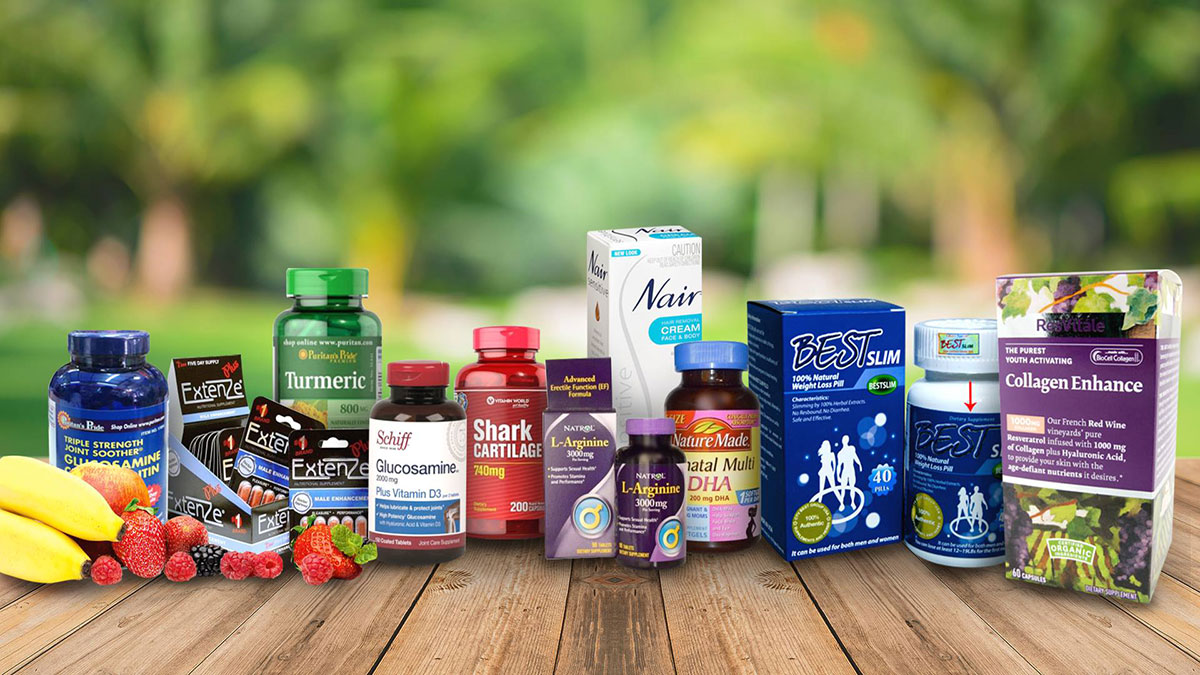
According to the MOH, the current framework created loopholes that have been widely exploited. Many producers and traders misclassified their products to shirk registration. Some even exaggerated the features and benefits of their products as they are not required to register the contents of product advertisements to state authorities.
As for the four groups of food products subject to declaration registration, the requirements on the dossier for registration of product declarations are quite relax. Businesses are only required to commit to fully complying with food safety regulations and bearing full responsibility for their products. However, some have exploited this policy by adding non-functional ingredients to their products for advertising purposes, without regard for actual product quality.
The draft decree introduces several key measures to address these issues, adding supplemented foods to the four existing groups subject to product declaration registration and imposing stricter requirements on self-declaration registration dossiers of products of these groups.
In addition, the draft also requires producers to reach internationally recognized standards such as HACCP, GMP, or ISO 22000, rather than just having to meet basic safety requirements as at present. This regulation is expected to ensure a higher level of quality and safety, on par with that of developed countries.
Businesses would also have to declare both quality and safety indicators, instead of only safety indicators as currently required. In case of violations, authorities would revoke certificates, written approvals of advertisement contents, and product declarations, and suspend the acceptance of new dossiers until violations are fully remedied.
The draft also strengthens post-market inspection by requiring the development of both periodical and unscheduled inspection plans, while enhancing the authority of testing laboratories to proactively collect samples for monitoring. It also asks for inter-connection of data among the MOH, other ministries, and local authorities via the National Public Service Portal, enabling comprehensive management from central to local levels.
To prevent false or misleading advertising, the draft decree requires tighter monitoring of advertising activities on e-commerce platforms and social media. It asks for inspection and oversight of advertising distributors, endorsers, and influencers involved in food product promotion. Accordingly, parties participating in food advertising would have to publicly disclose the relationships between influencers and sponsoring entities, comply with the professional code of conduct for food advertising activities, and be held accountable for the contents of advertisements.
Over the past time, authorities have discovered numerous large-scale cases of production of and trading in counterfeit drugs, milk products and health supplement products. Since the beginning of 2025 alone, more than 34,000 violations have been addressed, including over 8,200 cases of prohibited goods trading, 25,100 commercial fraud cases, and 1,100 cases involving counterfeit products. These efforts have resulted in the recovery of more than VND 4.8 trillion to the state budget and the initiation of criminal proceedings in nearly 1,400 cases involving over 2,100 individuals.
By VLLF