 English
 RSS
RSS
To calculate the input value added tax or add to the deductible expenses of taxable income, expenses for the purchase of goods or services valued at VND 20 million or more (VAT-inclusive prices) per invoice with non-cash payment documents.
What are the non-cash payment documents?
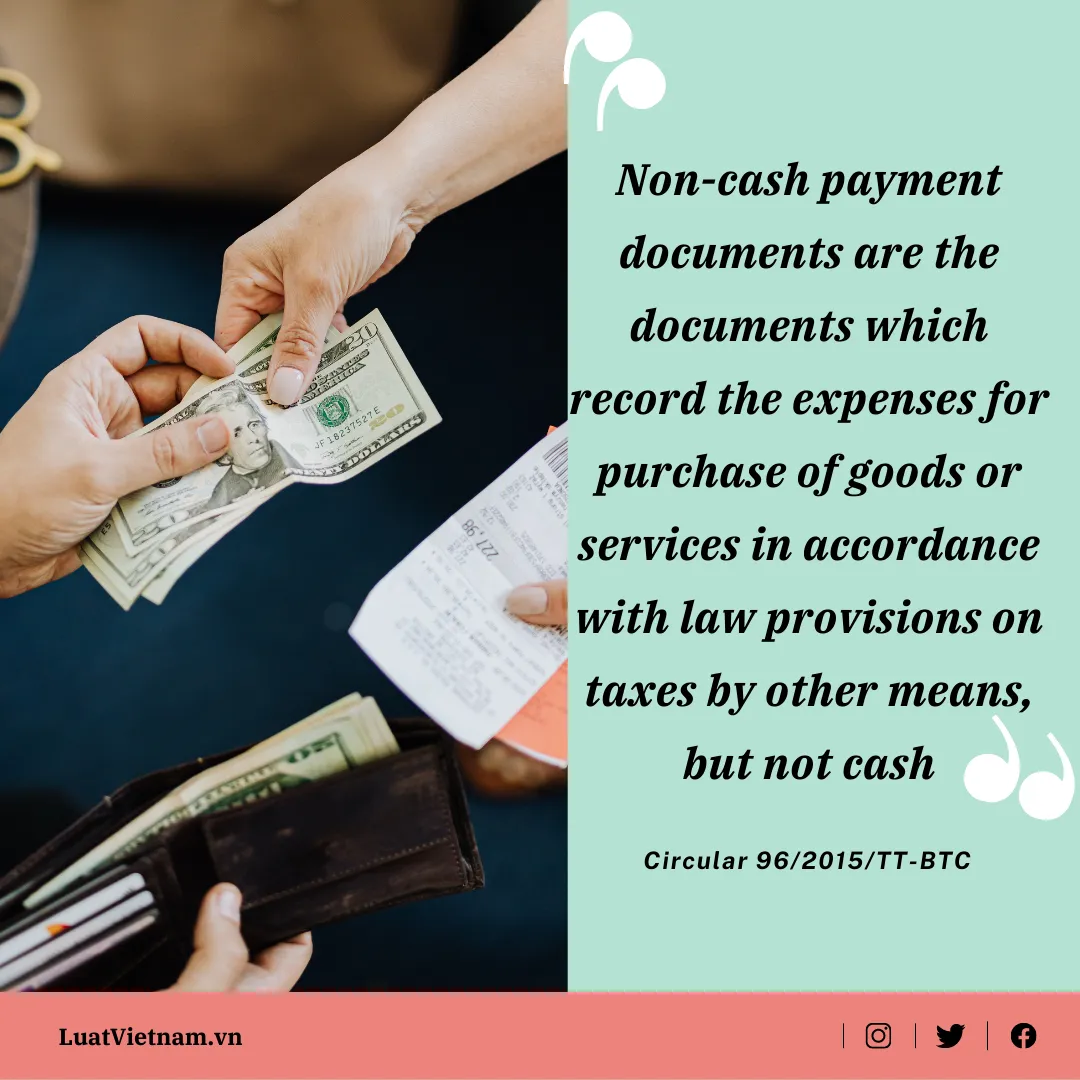
Non-cash payment documents are the documents which record the expenses for purchase of goods or services in accordance with law provisions on taxes by other means, but not cash, these other means may cheque, payment order, commission order, bank cards.
Pursuant to the Clause 10, Article 1, Circular 26/2015/TT-BTC and Article 4, Circular No. 96/2015/TT-BTC, non-cash payment documents are the basis for input VAT credit and shall be included in deductible expenses when determining income subject to enterprise income tax, in particulars:
- Conditions for input VAT credit: One of the conditions is having documents on non-cash payments for purchased goods or services (including imported goods) valued at VND 20 million or more.
Except imported goods or services valued at below VND 20 million upon each importation; purchased goods or services valued at below VND 20 million according to VAT-inclusive prices written on their invoices upon each purchase; and imports being gifts from overseas organizations and individuals.
Note: When the value of goods or services purchased from a single supplier or provider is below VND 20 million but the value of multiple purchases made in the same day is VND 20 million or more, tax may only be credited if via-bank payment documents are available. The supplier or provider is the taxpayer that has a tax identification number and shall directly declare and pay VAT
In case the taxpayer is a business establishment with dependent stores that use the same tax identification number and invoice form of the business establishment if the invoice has the item “Cua hang so:” (“Store No.”) to differentiate the business establishment’s stores, and bears the seal of each store, then each store shall be considered a supplier.”
- Defining deductible and non-deductible expenses when determining taxable income: Expenses for purchase of goods or services valued at VND 20 million or more (VAT-inclusive prices) per invoice with non-cash payment documents.
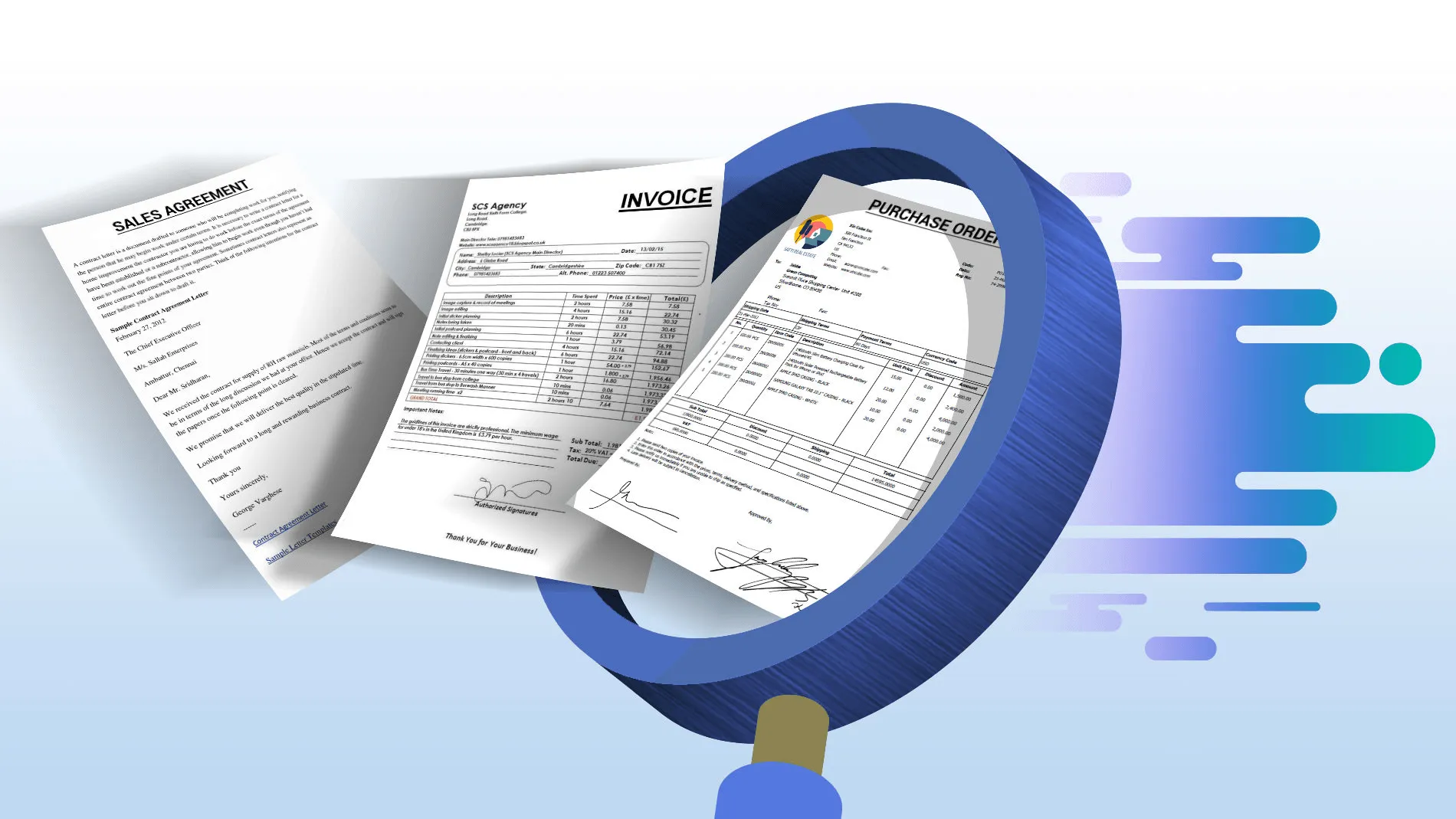
Types of non-cash payment documents
Pursuant to the Clause 10, Article1, Circular No, 26/2015/TT-BTC and Circular No. 173/2016/TT-BTC, documents on non-cash payments include documents on via-bank payments and other documents on non-cash payments, in particulars:
* Documents on via-bank payments
Via-bank payment document is construed as a document proving the transfer of money from the buyer’s account to the seller’s account opened at providers of payment services in lawful forms of payment .
Documents on via-bank payments include:
- Checks, payment orders, collection orders, bank cards, credit cards, SIM cards (digital wallets).
- Other forms of payment as prescribed (including the case in which the buyer transfers money from the buyer’s account to the seller’s account in the name of a private enterprise’s owner or from the buyer’s account in the name of a private enterprise’s owner to the seller’s account if such accounts have been registered with the tax agency).
* Other non-payment documents
Other cases of non-cash payment eligible for input VAT credit include:
(1) If goods or services are purchased by offsetting their value against the value of sold goods or services, or by borrowing goods.
This method must satisfy the conditions as follows:
- This method of payment is specified in contracts.
- There must be a written record of data comparison and certification of the offsetting or borrowing of goods by both parties.
If the payment is offset against a third party’s debt, there must be a written record of the debt offsetting made by all three parties for use as a basis for VAT credit;
(2) If goods or services are purchased by debt offsetting such as borrowing loans or by debt offsetting via a third party.
This method must satisfy the conditions as follows:
- This method of payment is specified in contracts.
- There must be a written loan contract and a document on the transfer.
- Have a document on the transfer of money from the creditor’s account to the debtor’s account, even in the case of offsetting the value of purchased goods or services against the sum of money paid by the seller as a support for buyer, or paid by the buyer on behalf of another party
(3) If via-bank authorized payment is made for purchased goods or services via a third party (including the case in which the seller requests the buyer to make via-bank payment to a third party designated by the seller).
Must satisfy the conditions as follows:
- This authorized payment or payment to a third party designated by the seller shall be specified in the written contract.
- The third party must be a lawfully operating legal person or natural person.
Note: After the payment is made in the above-said forms, if the remaining value paid in cash is VND 20 million or more, tax shall only be credited if there is a document on via-bank payment;
(4) If the payment for purchased goods or services is made via a bank to a third party’s account at the State Treasury, which is opened to enforce the collection of money and assets currently held by other organizations and individuals (under a competent state agency’s decision).
This case may be credited with input VAT.
Here are the regulations on non-cash payment documents.