
 English
 RSS
RSS
Effective as of January 1 next year, the revised Atomic Energy Law (the Law) marks a milestone in Vietnam’s drive to develop nuclear power. The Law translates the Party's and the State’s vision for clean, safe, and sustainable atomic energy into concrete policies.
Consisting of 73 articles across eight chapters, the Law covers a wide range of domains, from the development and application of atomic energy to radiation and nuclear safety, the management of nuclear power plants and research reactors, incident response and compensation mechanisms, nuclear inspection, and the organization of state management agencies in charge of atomic energy.
The legislation institutionalizes major Party policies, particularly resolutions on assurance of the national energy security and development of nuclear power as an important and eco-friendly baseload energy source, underscoring Vietnam’s commitment to achieving net-zero emissions by 2050.
Affirming the strategic role of nuclear power
For the first time, the Law explicitly recognizes nuclear power as a strategic pillar in the overall national energy master plan. Beyond being a stable baseload source, nuclear power is identified as a “green energy” with the potential to help significantly reduce greenhouse gas emissions.
Nuclear energy offers the ability to generate electricity continuously and reliably, with high power output and independence from natural conditions such as wind and sunlight. More importantly, nuclear power plants emit almost no greenhouse gases during operation which is a crucial factor as Vietnam moves toward carbon neutrality by 2050.
By diversifying the energy mix and reducing reliance on fossil fuels, nuclear power is expected to help ensure national energy security while supporting economic growth and environmental sustainability.
The Law promotes the use of atomic energy for peaceful purposes, thereby serving socio-economic development, environmental protection and national energy security assurance. It adopts a comprehensive approach that covers investment and resource mobilization, infrastructure development, and capacity building for nuclear power safety and security. It also highlights research and technological innovation, human resource training, international cooperation, and public awareness improvement.
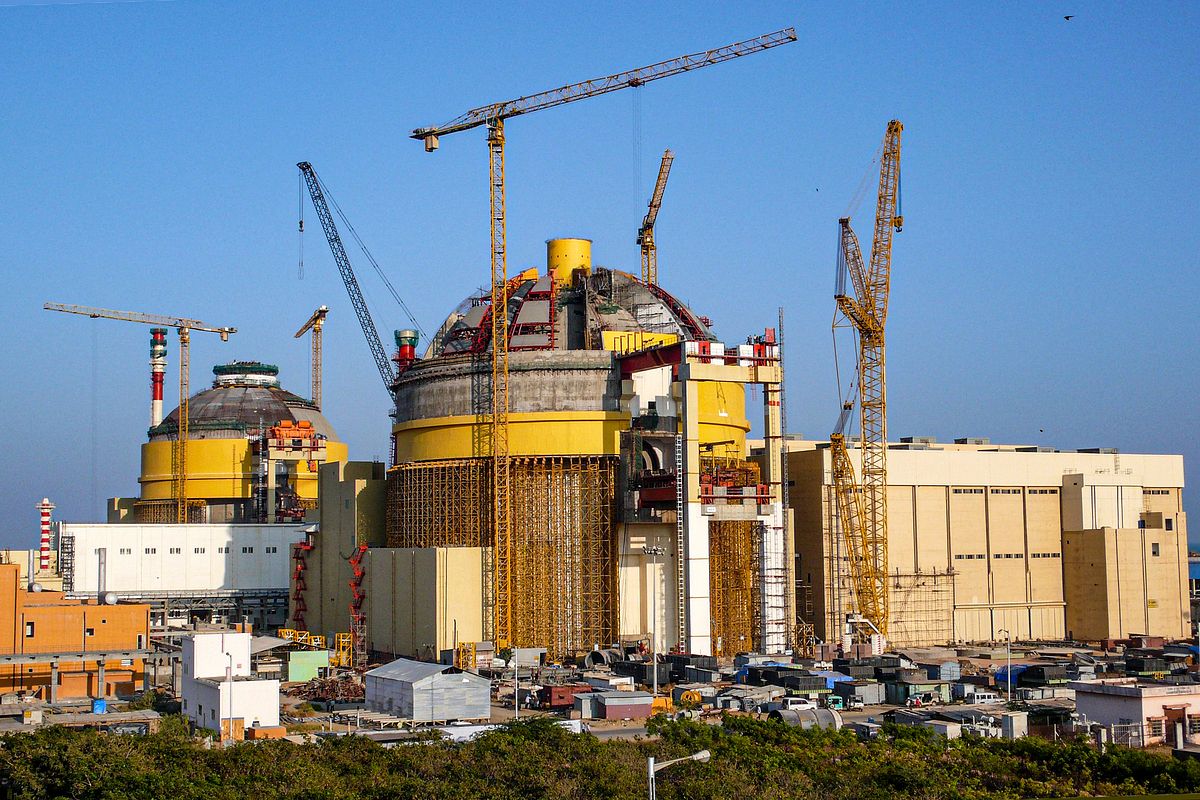
By reaffirming the strategic role of nuclear power, the Law paves the way for reviving nuclear power projects in Vietnam, such as Ninh Thuan Nuclear Power Plant, which is scheduled to apply advanced technologies such as Generation-III+ and Generation-IV reactors and small modular reactors (SMRs) that are globally recognized for their safety and flexibility.
Tightening management and strengthening supervision
The Law devotes a chapter to regulating the entire life cycle of nuclear power plants, from site survey, engineering and construction to operation, decommissioning and dismantling. Its provisions are aligned with the strict standards of the International Atomic Energy Agency (IAEA), enabling Vietnam to further integrate into the global nuclear safety and monitoring system.
For the first time, the Law contains a chapter on nuclear inspection, reaffirming Vietnam’s commitment to the peaceful use of atomic energy under the Treaty on the Non-Proliferation of Nuclear Weapons (NPT). It also defines the National Authority for Radiation and Nuclear Safety as an independent body responsible for technical supervision, licensing, and incident response throughout the lifecycle of nuclear facilities.
The State will ensure budget allocations for building and operation of a national network for environmental radiation monitoring and warning while investing in facilities for the storage, treatment and disposal of radioactive wastes and spent nuclear fuels.
Mastering technology and developing human resources
The Law sets a clear direction for the localization and mastery of nuclear technology, with the goal of building a domestic nuclear industry. It prioritizes investment in the manufacturing of monitoring and safety assessment equipment, and gradually mastering SMR and next-generation nuclear power technologies.
Another key focus of the Law is the development of human resources, particularly high-quality workforce for future nuclear power projects. The Law introduces preferential mechanisms for training, attracting and retaining experts and scientists while promoting investment in modern laboratories and research centers to increase the country’s capacity in nuclear research, human resource training, and technological mastery.
The Law promotes the participation of domestic and international enterprises, research institutes, and scientific and technological organizations in atomic energy-related activities. Instead of relying solely on state subsidies, the Law introduces risk-based support mechanisms to mobilize maximum social resources for the development of nuclear energy.
Digital transformation and international cooperation
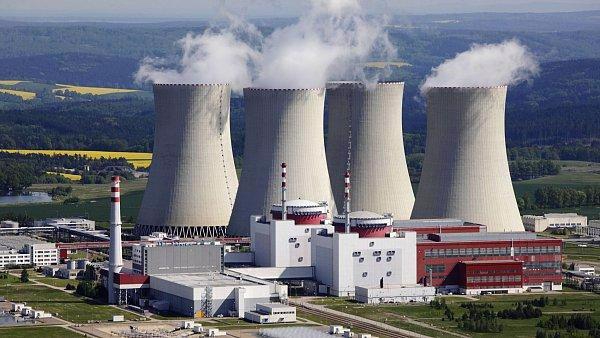
The Law places strong emphasis on digital transformation in the atomic energy management, requiring the founding of a national database on atomic energy, and the building of digital infrastructure to support licensing, supervision, inspection, reporting, and control of nuclear material imports and exports. This marks an important step in modernizing the administrative management, minimizing risks, and enhancing management efficiency and transparency.
The Law incorporates many treaties to which Vietnam is a signatory, ensuring alignment with IAEA guidelines and international standards. Strengthened international cooperation will enable Vietnam to access cutting-edge technologies and advanced management practices, while enhancing the competence of its nuclear workforce and experts.
In addition, the Law underscores the importance of public communication about atomic energy and building of a nuclear safety culture. It calls for the establishment of cultural, educational, healthcare and welfare infrastructure in localities hosting nuclear facilities, aiming at fostering the people’s trust in Vietnam’s nuclear energy development.
- (VLLF)