 English
 RSS
RSS
Effective as of January 1, the 152-article Law has notable amendments.
Duties and powers of people’s courts
As defined in the Law, people’s courts exercise the judicial powers, covering the powers to adjudicate and rule on disputes, violations and matters related to human rights, and rights and obligations of agencies, organizations and individuals in accordance with law, and ensure the uniform application of law in trial.
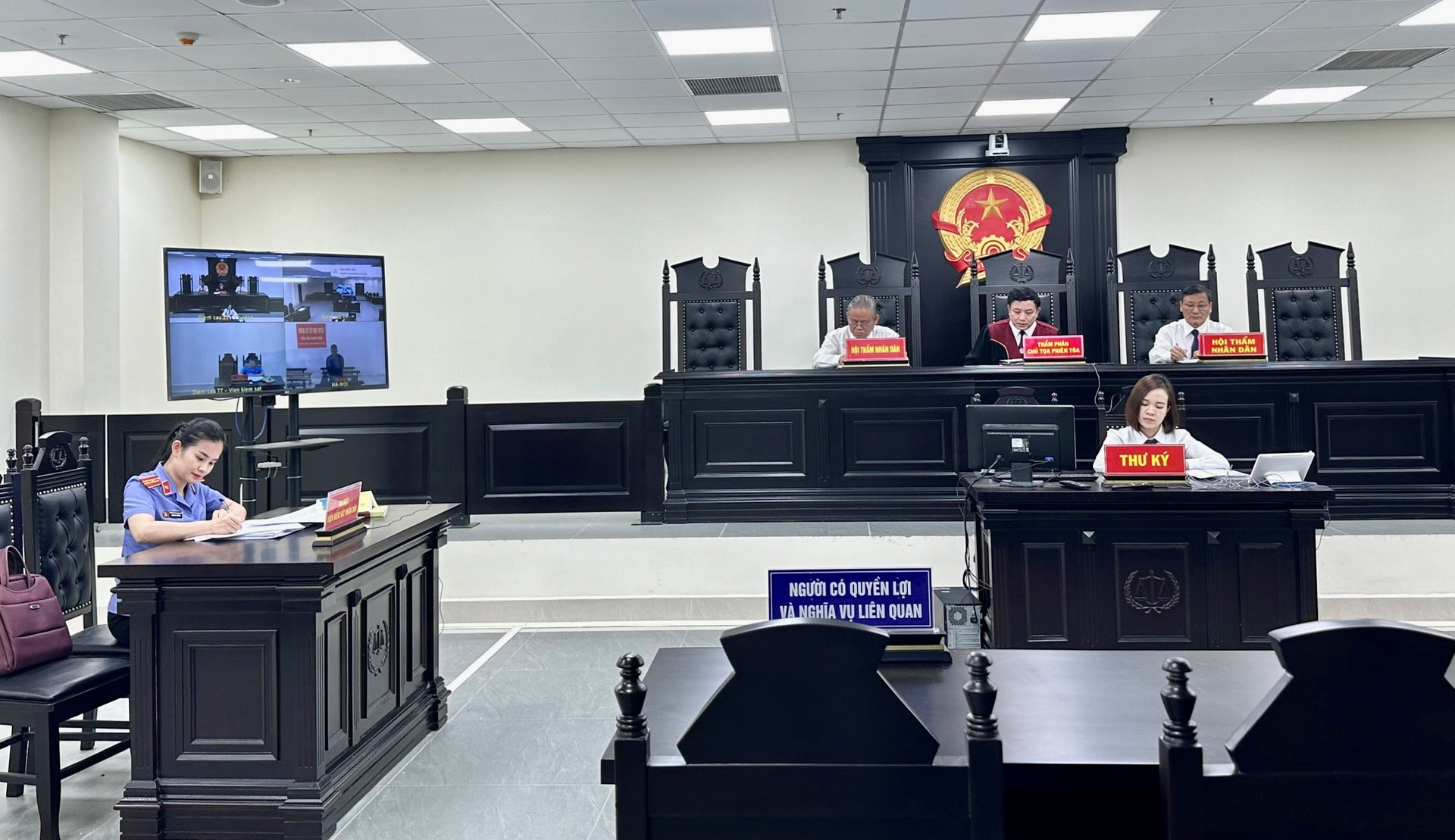
When exercising the judicial power, people’s courts have the duties and powers stated in the Law. Compared to the 2014 version, the Law adds two new duties and powers of people’s courts, i.e., trying administrative violations in accordance with law, and interpreting the application of law in trial or settlement of cases and matters.
Noteworthily, the Law removes the provisions that allow the court to rule on initiation of criminal cases during a trial. Instead, it makes some revisions related to jurisdiction of trial panels to make rulings on initiation of criminal cases at court hearings. The Law says that if the trial panel detects signs of crimes during the trial, it may request a competent agency to issue a decision on prosecution of a criminal case.
Establishing first-instance people’s tribunals
In addition to the current organizational system of people’s courts, the Law introduces provisions for first-instance people’s tribunals to adjudicate specific types of cases. Accordingly, the organizational system of people’s courts has been expanded to additionally include:(i) Administrative affairs-related first-instance people’s tribunals;
(ii) Intellectual property-related first-instance people’s tribunals; and,
(iii) Bankruptcy-related people’s tribunals.
Administrative affairs-related first-instance people’s tribunals are assigned to conduct first-instance trial of administrative cases for lawsuits or complaints about administrative decisions or acts of state administrative agencies or competent persons in state administrative agencies at the provincial or higher level. These exclude first-instance trial of intellectual property cases and matters in accordance with the Civil Procedure Code and first-instance trial of intellectual property-related administrative cases in accordance with the Law on Administrative Procedures. They also have the tasks to deal with lawsuits or complaints about decisions on forcible resignation, as a disciplinary form, of heads of agencies and organizations at the provincial or higher level in accordance with the Law on Administrative Procedures.
Intellectual property-related first-instance people’s tribunals have to carry out first-instance trial of intellectual property cases and matters in accordance with the Civil Procedure Code; and conduct first-instance trial of intellectual property-related administrative cases in accordance with the Law on Administrative Procedures.
Bankruptcy-related people’s tribunals are tasked to settle bankruptcy cases and matters falling within the jurisdiction of people’s courts in accordance with law.
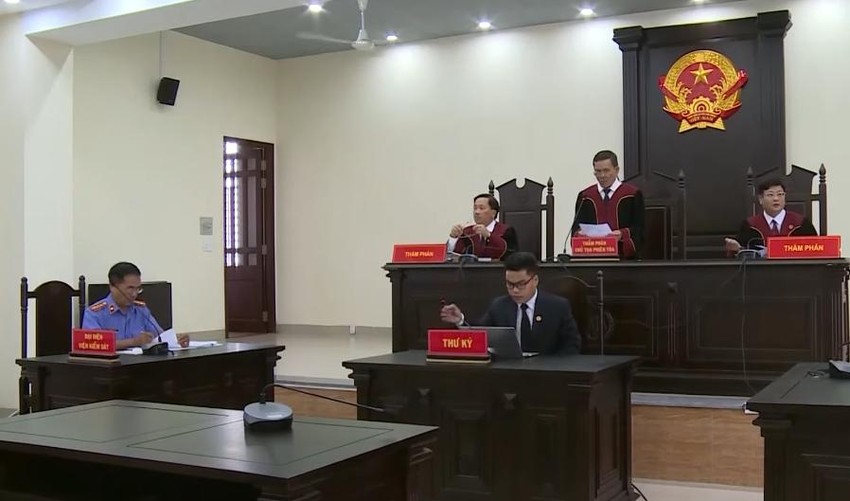
The establishment of the above-mentioned first-instance people’s tribunals will be decided by the National Assembly Standing Committee at the proposal of the Chief Justice of the Supreme People’s Court, depending on the practical situation.
A first-instance people’s tribunal has its chief justice, deputy chief justice, people’s court judge, court examiner, court clerk, and other civil servants and workers. Judges of people’s courts who work at first-instance people’s tribunals must have professional knowledge and working experience in fields falling within the jurisdiction of their first-instance people’s tribunals.
From the effective date of the Law, courts may continue to exercise the jurisdiction to conduct first-instance trial of administrative cases, first-instance trial or settlement of intellectual property cases and matters, and settlement of bankruptcy cases and matters in accordance with the procedural law and bankruptcy law until first-instance people’s tribunals are established and operate in accordance with law.
By VLLF